Nine megajoules becomes eight. Just like that, with a casual regulatory wave of the hand three days before qualifying at Suzuka, the FIA has decided their carefully crafted energy recovery limits need emergency surgery. The reason? “Super clipping issues” — which sounds like a problem you’d encounter editing a podcast, not running the world’s premier motorsport series.
This is the same governing body that spent years developing the 2026 regulations, the same organization that promised these new hybrid power units would revolutionize Formula 1. Yet here we are, two races into the season, and they’re already reaching for the regulatory equivalent of duct tape.
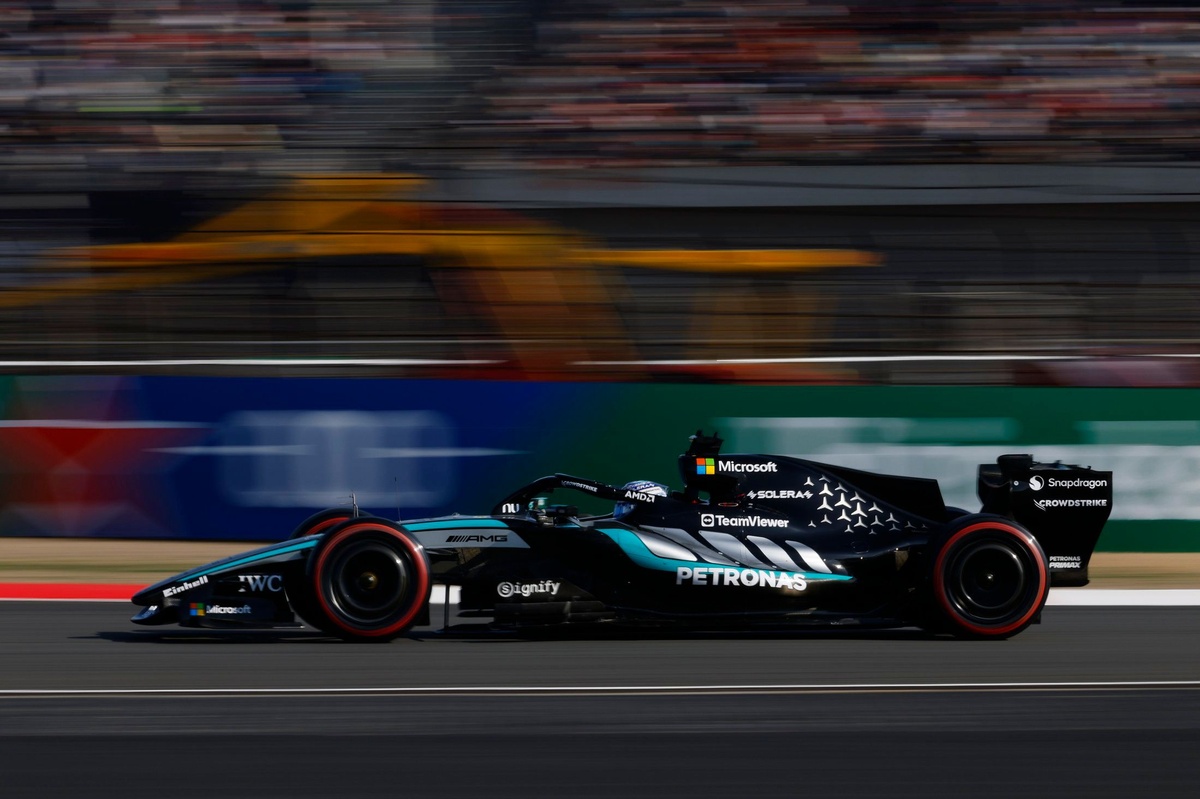
The timing is exquisite. Teams have spent months calibrating their energy deployment strategies around the 9MJ limit, programming their systems, briefing their drivers on the nuances of battery management at each circuit. Mercedes have built their early-season dominance partly on superior energy harvesting — George Russell and Kimi Antonelli didn’t stumble into those wins by accident.
Now, 72 hours before the most energy-sensitive qualifying session of the year at Suzuka, everyone gets to recalibrate. Because nothing builds confidence in your regulatory framework quite like panic-induced changes announced via press release on a Wednesday afternoon.
The Suzuka Problem
Suzuka has always been different. The figure-eight layout, the elevation changes, the combination of high-speed corners and heavy braking zones — it’s a circuit that exposes every weakness in a car’s design. In the new hybrid era, it’s become something more: a stress test for the entire energy recovery system.
The “super clipping” issue the FIA references occurs when cars harvest more energy than their systems can handle, creating electrical overloads that can damage components or, worse, create safety hazards. It’s the kind of problem that should have been identified during extensive simulation work, not discovered during practice sessions at the third race of the season.
Teams have been reporting energy management difficulties since Melbourne, but those were dismissed as teething problems with the new regulations. The reality appears more concerning: the FIA’s energy limits were set without fully understanding how the new 350kW MGU-K systems would behave on circuits with Suzuka’s unique demands.
'So we're just going to pretend the last six months of development work didn't happen?'
— Power unit engineer, Thursday morning
Probably. We weren't on that frequency.
Damage Assessment
The immediate impact falls heaviest on teams that have mastered energy harvesting. Mercedes, who’ve dominated the opening rounds partly through superior battery management, suddenly find their competitive advantage diluted. Ferrari, already struggling to match Mercedes’ energy deployment efficiency, might actually benefit from the reduced ceiling.
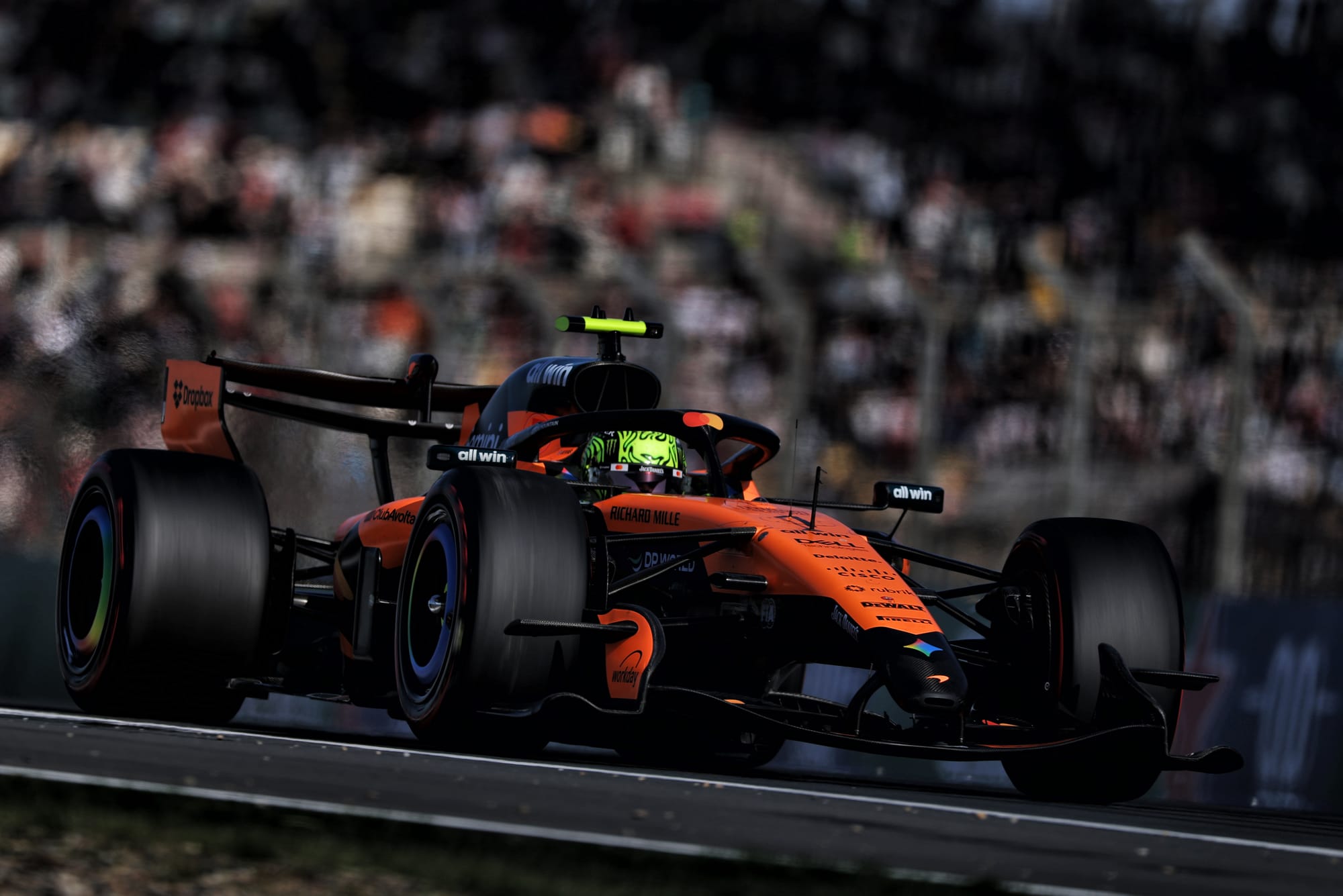
For McLaren, still reeling from their double DNS in China due to electrical issues, this change adds another variable to their already chaotic season. Lando Norris, the defending champion sitting sixth in the standings, hardly needed another complication as he tries to salvage his title defense.
Red Bull’s struggles with their Ford-partnered power unit take on new significance. If they’ve been suffering from energy management problems — and Max Verstappen’s complaints about car balance suggest they have — a lower energy limit might mask some of their deficiencies.
The change affects more than just performance. Teams have spent considerable resources optimizing their energy strategies for the original 9MJ limit. Software needs rewriting, drivers need re-briefing, and strategic models require recalibration. All for a problem that should have been solved in the laboratory, not discovered on track.
Pattern Recognition
This isn’t the first time the FIA has scrambled to fix their 2026 regulations. The active aerodynamics system required three separate updates before the season started. The new “Overtake Mode” button placement was changed twice after driver complaints. Now energy recovery limits are being revised mid-season.
Each change undermines confidence in the regulatory process. Teams invest millions developing cars to specific parameters, only to discover those parameters were flawed. The FIA’s credibility, already strained by years of inconsistent stewarding, takes another hit with each hasty revision.
What’s particularly frustrating is the predictability of these problems. Energy management at Suzuka was always going to be challenging — the circuit’s characteristics haven’t changed since the track opened in 1962. That the governing body needed until Wednesday before the Japanese Grand Prix to recognize this suggests a concerning gap between theory and reality in their regulatory development.
Yet for all the chaos and last-minute scrambling, there’s something oddly reassuring about this mess. Formula 1 has always been about adaptation, about engineers and drivers finding solutions to problems they didn’t know existed. The best teams will adjust, the best drivers will adapt, and by Sunday evening we’ll have learned something new about who can thrive when the rulebook gets rewritten on the fly.
The energy might be limited to eight megajoules now, but the drama remains unlimited. Which, in its own chaotic way, feels perfectly appropriate for this sport.