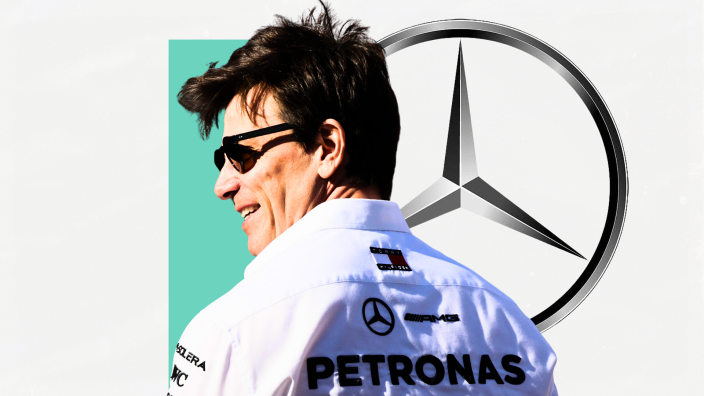
“The knives are out.” Toto Wolff, March 25th, preparing for war.
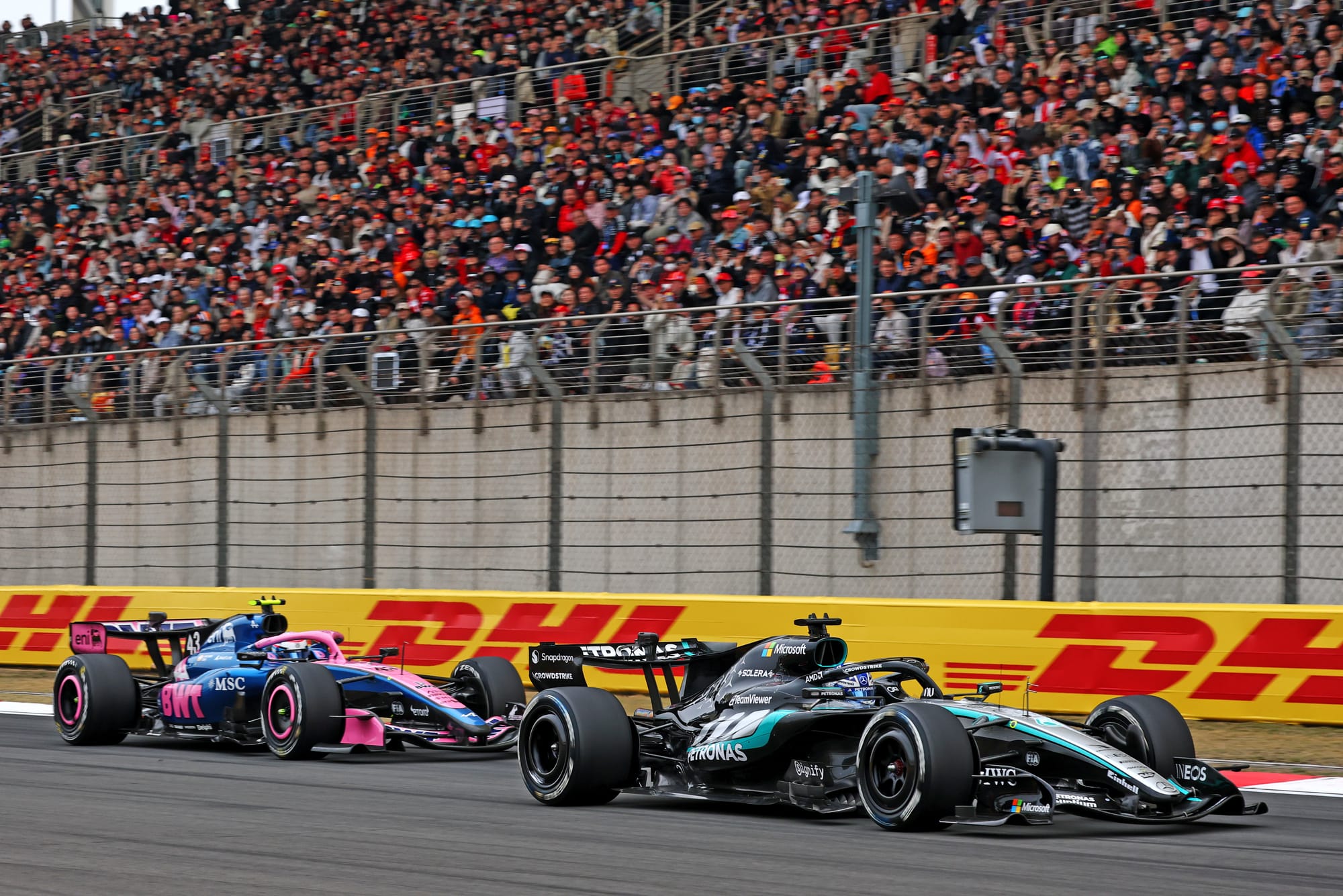
The Mercedes team principal isn’t talking about the kitchen at the factory canteen. Two races into 2026, the Silver Arrows have claimed both victories—Russell in Melbourne, Antonelli in Shanghai—and built a commanding 31-point constructors’ lead. When you’re winning this convincingly, the paddock starts asking questions. And when the paddock asks questions, the FIA gets phone calls.
Wolff knows what’s coming. He’s been here before.
“I’m braced for our rivals to get their political knives out,” the Austrian told reporters ahead of Suzuka. “When you’re performing at this level with new regulations, people start looking for reasons that aren’t related to pure performance.”
The Numbers Don’t Lie
Ninety-eight points. That’s Mercedes’ tally after two rounds, more than Ferrari and McLaren combined. Russell leads the drivers’ championship by four points over his teenage teammate, who just became the youngest pole-sitter and race winner in F1 history. The W17 has been on pole for three of the four available positions, won both Grands Prix, and claimed a Sprint victory for good measure.
In the new active aerodynamics era, Mercedes appear to have cracked the code while others scramble with energy management and wing deployment strategies. Their drivers aren’t fighting the car—they’re dancing with it.
'George, the gap to P3 is now 23 seconds. We're managing the championship here, not just the race.'
— Bono, China GP lap 52
Reconstructed from memory. And by memory, we mean imagination.
History Repeats
This feels familiar. In 2014, Mercedes dominated the first hybrid era while rivals complained about engine advantages. In 2020, they perfected the low-rake concept while Red Bull protested floor regulations. Now, with active aero and 350kW electrical deployment, the Brackley squad have found another technical sweet spot.
The difference in 2026? The regulatory framework is so complex that there are more avenues for protest than ever before. Energy deployment algorithms, wing actuation speeds, battery management systems—every component offers a potential challenge. Wolff’s legal team has probably been busier than his engineers.
“We’ve been through this cycle before,” Wolff reflected. “When you’re ahead, suddenly everyone becomes very interested in your interpretation of the technical regulations. It comes with the territory.”
What Now?
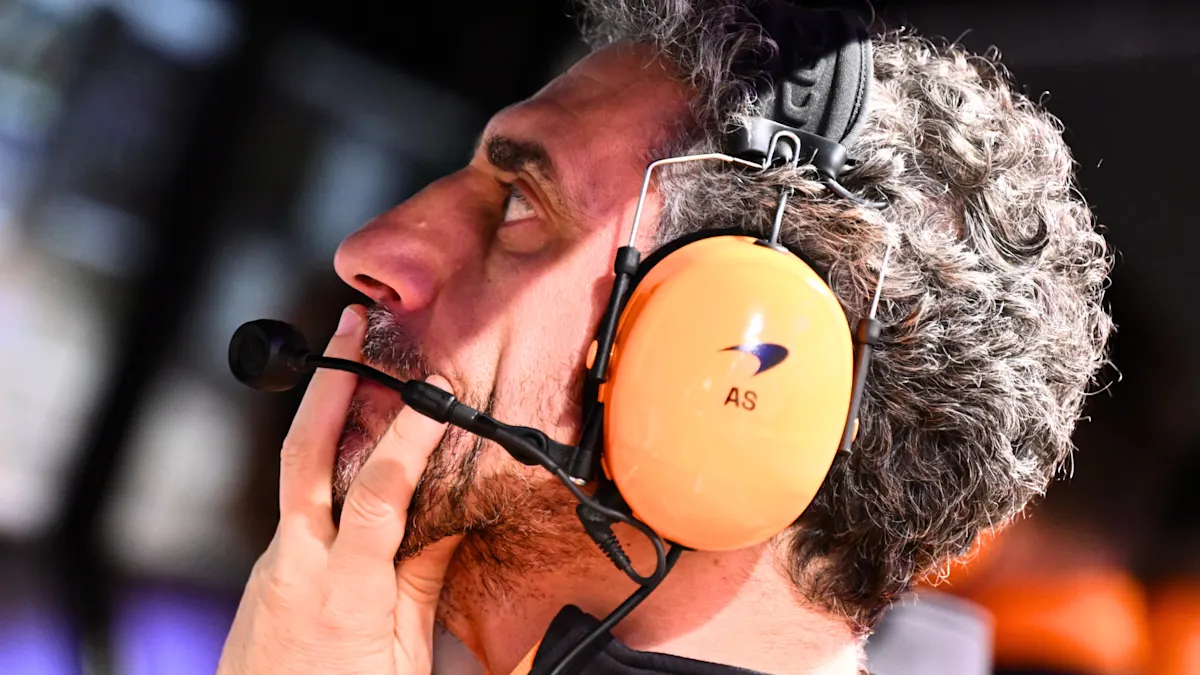
The political season is just beginning. Expect technical directives, clarification requests, and carefully worded complaints to the FIA in the coming weeks. Red Bull, still wrestling with their Ford-badged power unit, will likely focus on energy deployment systems. Ferrari might question wing actuation rates. McLaren, when they’re not dealing with electrical failures, could probe battery management protocols.
But here’s the thing about Toto Wolff: he’s been preparing for this fight since before the first car hit the track. The man who navigated Mercedes through eight consecutive constructors’ titles didn’t build the W17 without considering every possible challenge. Legal, technical, political—he’s ready for all of it.
The knives are out, indeed. But Wolff brought a sword to this knife fight, and he’s not afraid to use it.