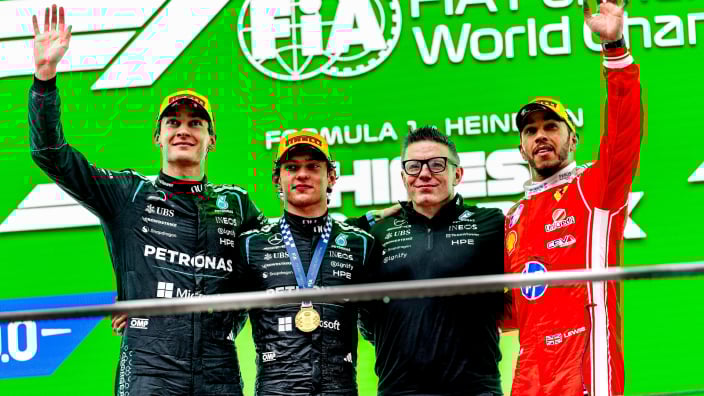
Two races. Two Mercedes wins. Ninety-eight constructor points and a championship lead that’s starting to look familiar to anyone who remembers 2014-2020. But apparently, dominating Formula 1 with one team isn’t quite enough for Stuttgart’s finest.
Reports suggest Mercedes are exploring the possibility of buying into another F1 team. Because when you’re already 31 points clear at the top of the constructors’ championship and your drivers are first and second in the standings, the logical next step is obviously to control even more of the grid.
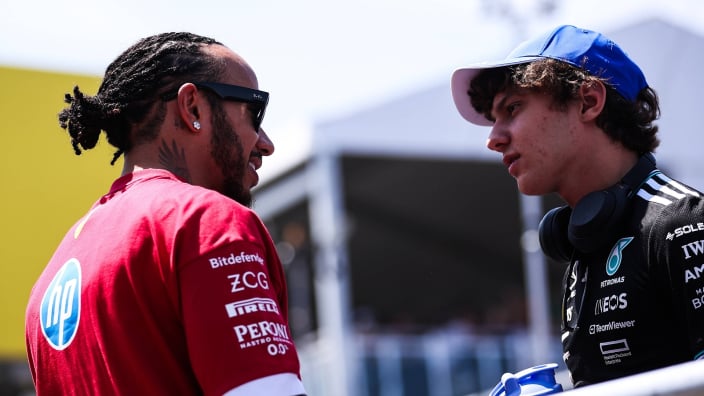
The timing couldn’t be more tone-deaf. Mercedes have won every single race so far in 2026, with George Russell and Kimi Antonelli delivering the kind of one-two dominance that makes Liberty Media executives break out in cold sweats. Their active aero package is working flawlessly, their new power unit is bulletproof, and they’ve adapted to the regulation changes better than anyone else on the grid.
So naturally, they want more.
The Numbers Don’t Lie
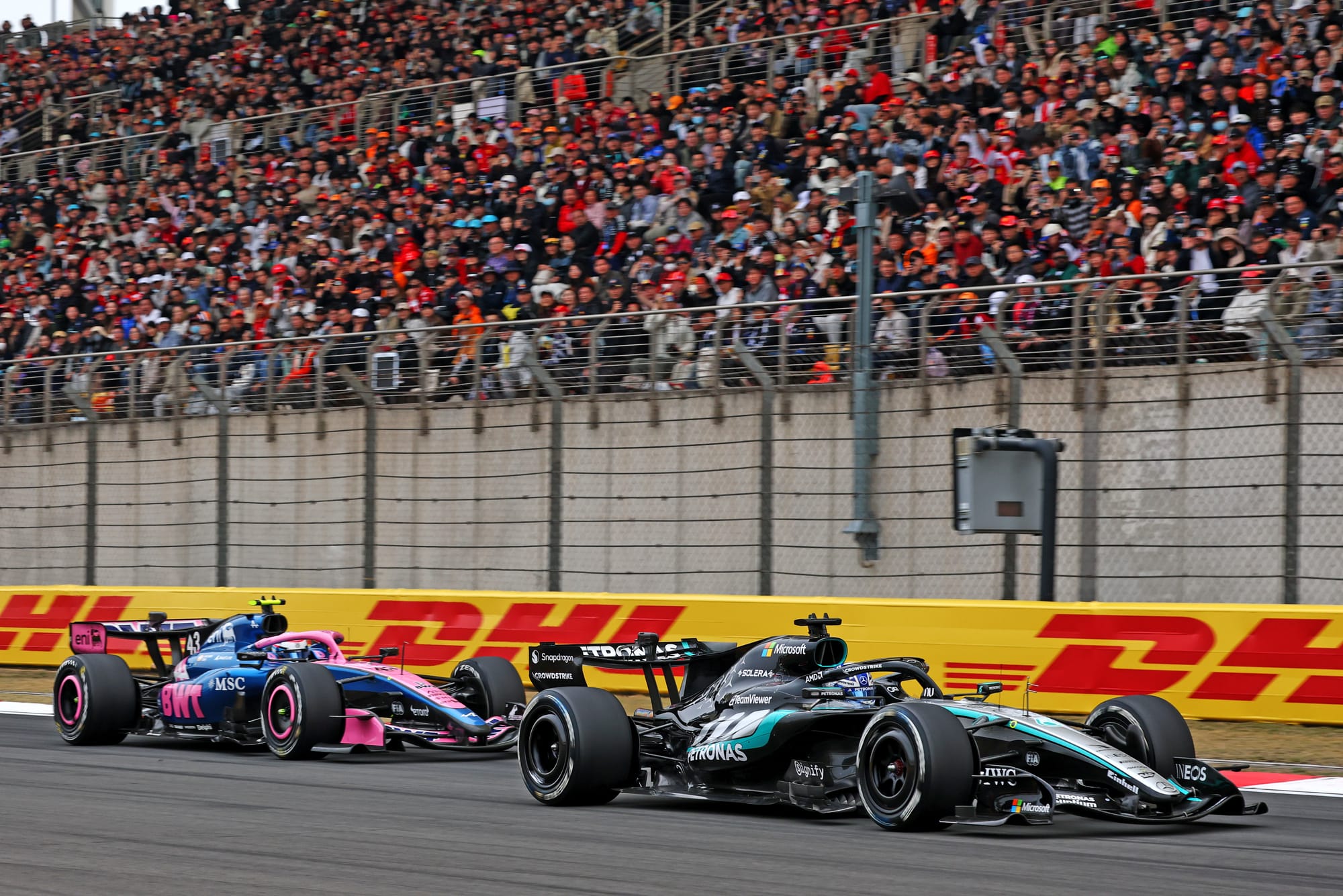
Mercedes currently supply engines to four teams: themselves, McLaren, Alpine, and Williams. That’s eight cars out of twenty-two running Mercedes power units. Add a potential ownership stake in another team, and suddenly we’re talking about direct or indirect influence over nearly half the grid.
The competitive balance implications are staggering. We’ve already seen what happens when one manufacturer gets too comfortable—Mercedes’ 2014-2020 era wasn’t exactly a masterclass in unpredictable racing. Now imagine that level of technical dominance combined with direct control over multiple entries.
'The car feels incredible through the active aero zones. We're in a league of our own right now.'
— Kimi Antonelli, China GP qualifying
Which team would they target? Williams makes sense—they’re already a Mercedes customer, struggling financially, and have the kind of heritage that would look good in a Mercedes portfolio. Alpine could be another option, especially given their current engine partnership. Even Haas, despite their Ferrari engines, might be attractive given Oliver Bearman’s surprising fifth place in the championship.
Historical Precedent
This isn’t unprecedented. Red Bull owns two teams, though Racing Bulls operates as a genuine junior outfit with different objectives. What Mercedes appears to be considering is something different—a manufacturer hedge bet that would give them multiple shots at championship glory while potentially limiting genuine competition.
The FIA has rules about team independence, but those regulations were written for a different era. They didn’t anticipate a scenario where one manufacturer might directly own multiple teams while also supplying engines to half the grid. The governance framework simply isn’t equipped to handle this level of vertical integration.
Ferrari must be watching this development with interest. They supply engines to three teams currently—themselves, Haas, and the new Cadillac outfit. If Mercedes sets the precedent for manufacturer team ownership expansion, expect Maranello to follow suit quickly.
What This Means for F1
Here’s the uncomfortable truth: Mercedes doesn’t need another team to win championships. They’ve already built the best car on the grid, developed the most effective active aero package, and have two drivers who are currently making the rest of the field look amateur.
But they might want another team for different reasons. Market diversification. Risk management. Strategic positioning for future regulation changes. All perfectly rational business decisions that happen to undermine the fundamental premise of Formula 1 as a competitive sport.
The sport’s governing body needs to address this before it becomes a problem. The last thing F1 needs right now is a return to the kind of processional dominance that drove viewers away in the late 2010s. We’ve finally got cars that can follow each other closely, active aero that promotes overtaking, and a diverse grid with genuine competition.
Mercedes buying into another team won’t kill Formula 1 overnight. But it’s exactly the kind of consolidation that slowly strangles competitive balance until we wake up one day wondering why we’re watching the same manufacturer win everything with different colored cars.
The championship fight is already looking like a Mercedes civil war between Russell and Antonelli. Do we really need to expand that to include a third or fourth car?