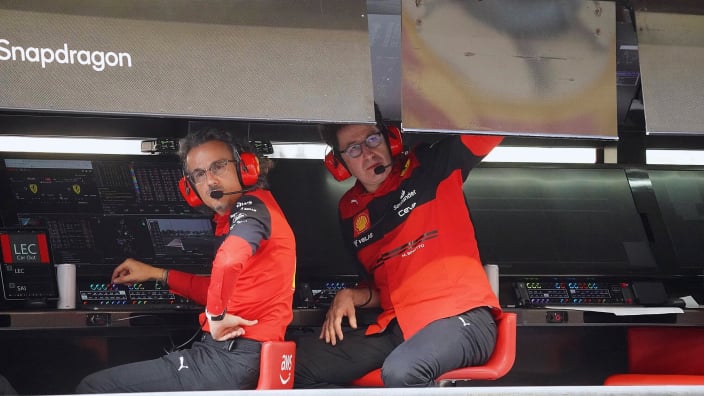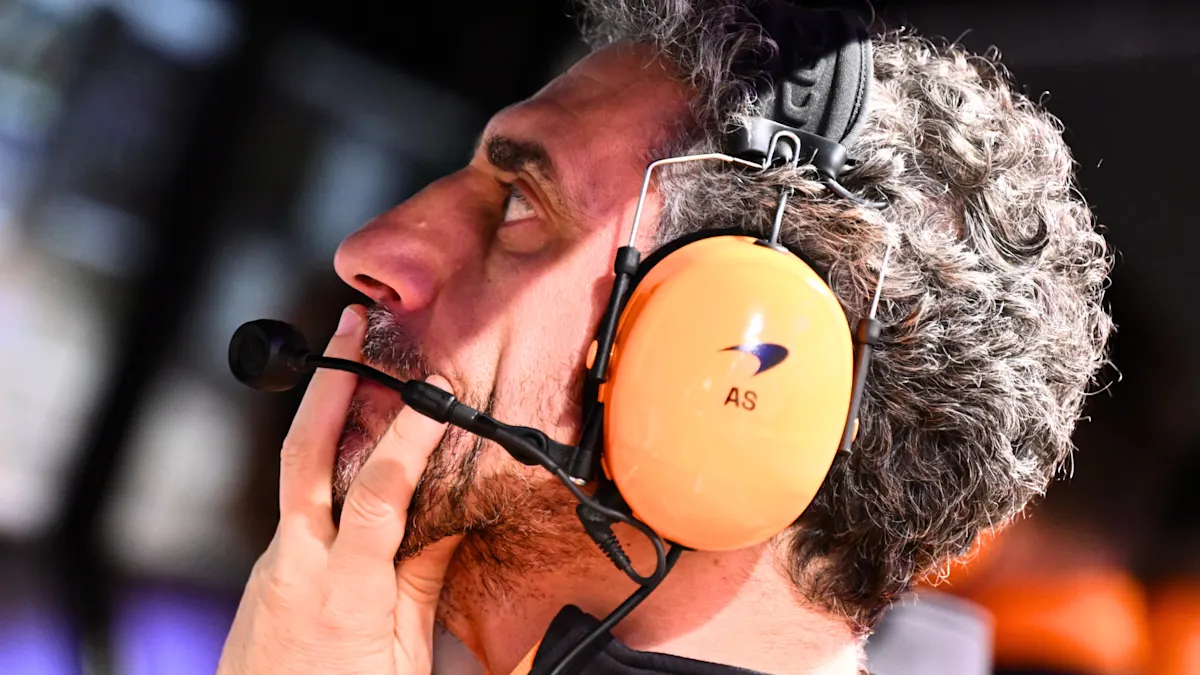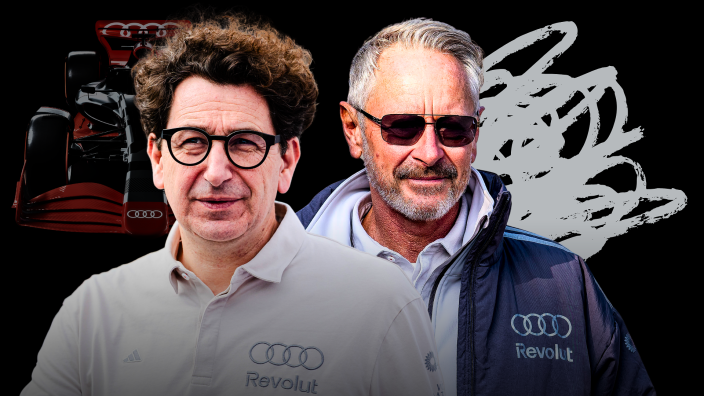
Jonathan Wheatley has left Audi F1. The man who orchestrated Red Bull’s strategic masterpieces for over a decade lasted roughly six months working alongside Mattia Binotto.
German media reports suggest “clashes and disagreements” between the two heavyweights led to Wheatley’s departure. Which raises an uncomfortable question: if you can’t make it work with arguably the sport’s most successful race strategist and its most experienced team principal, what exactly are you building in Hinwil?
The Perfect Partnership That Wasn’t
On paper, this looked like Formula 1’s ultimate power couple. Binotto: the Ferrari veteran who oversaw Charles Leclerc’s development and managed the Scuderia through their 2019-2022 competitive window. Wheatley: the strategic mastermind behind Red Bull’s four consecutive championships, the man who could find an undercut opportunity in a safety car queue.
Audi hired them to transform the former Sauber operation into a genuine works team threat. Instead, they got a masterclass in why corporate restructuring rarely translates to on-track success.
The warning signs were there from the start. Two alpha personalities, each accustomed to running their own show, suddenly forced to collaborate on everything from driver development to pitstop procedures. Binotto built his reputation on meticulous preparation and Ferrari’s methodical approach. Wheatley thrived on split-second decision-making and Red Bull’s organized chaos.
'We're discussing strategy options for the next stint. Stand by.'
— Audi pit wall, China GP lap 15 (during a 30-second radio silence)
The Numbers Don’t Lie
While Mercedes and Ferrari battle for wins, Audi sits 8th in the constructors’ championship with 2 points. Gabriel Bortoleto scored both of them with a P9 finish in Australia. Nico Hulkenberg has yet to see the chequered flag, retiring from both races with mechanical issues.
Their strategic calls have been conservative to the point of irrelevance. In China, they kept Hulkenberg out during the Safety Car period while every other team in the points pitted for fresh tyres. The result? A car that was already struggling for pace became a mobile chicane for the final 15 laps.
Wheatley would never have made that call. The man who convinced Red Bull to pit Max Verstappen from the lead in Abu Dhabi 2021 doesn’t do conservative. But apparently, he also doesn’t do committee decisions and lengthy strategy meetings.
What Happens Next?
Binotto remains as team principal, which suggests Audi’s board backed him in whatever internal dispute led to this split. That’s either a vote of confidence in the former Ferrari man or simple mathematics — they’re paying him more.
The immediate impact will be felt in race strategy and pitstop execution. Wheatley’s departure leaves a gap that won’t be easily filled, especially mid-season. Audi will likely promote from within or poach talent from a rival team, but neither option provides the instant credibility that Wheatley brought.
More concerning is what this says about Audi’s internal culture. Building a successful F1 team requires more than hiring big names and hoping they mesh. McLaren learned this lesson the hard way during their Honda years. Ferrari discovered it repeatedly throughout the 2010s. Now Audi gets their turn.
The German manufacturer committed to F1 with the promise of bringing works team mentality and automotive industry resources to the grid. Instead, they’re learning the same lesson every new team discovers: politics matter more than press releases, and personality clashes can derail even the most promising technical packages.
Hulkenberg and Bortoleto will continue racing, the engineers will keep developing the car, and Binotto will run team meetings without worrying about strategic disagreements. Whether any of this translates to points remains to be seen. But one thing is certain: Audi’s dream team lasted about as long as their cars’ reliability record.