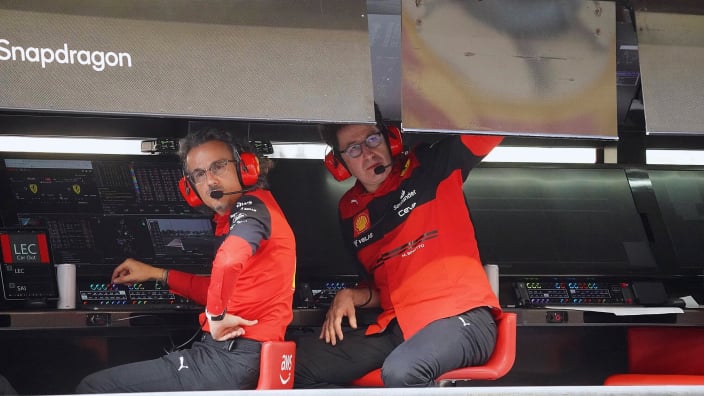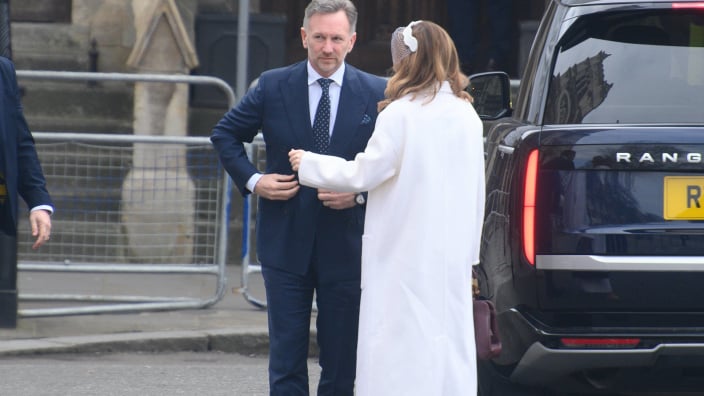
Lap 45, Turn 6. That’s where Christian Horner’s Red Bull Racing career effectively ended in China. Max Verstappen’s car died with ten laps to go, another reliability failure in what’s becoming a troubling pattern for Red Bull Powertrains/Ford. The cameras caught Horner’s expression in the garage — the look of a man who knows the writing’s on the wall.
Now, sources suggest, he’s literally looking at different walls. Swiss ones.
The Aston Martin rejection stung. Mike Krack remains firmly in place despite the team’s double-zero start to 2026, and Lawrence Stroll apparently decided Horner’s baggage outweighed his trophy cabinet. Fair enough. But when one door closes in F1, another usually creaks open — especially when you’ve got thirteen constructors’ titles on your CV.
Enter Audi, stage left, with a proposition that comes with altitude adjustment.
The Zurich Option
Property websites don’t lie, and the recent activity around premium Swiss real estate tells its own story. Horner’s been spotted in the Zurich area multiple times this month, ostensibly for “business meetings” but coincidentally during prime house-hunting season. The kind of houses you buy when you’re planning a long-term stay in a country that takes its motorsport seriously and its tax rates… reasonably.
Audi’s F1 project needs leadership. Nico Hulkenberg and Gabriel Bortoleto have managed just two points between them through two races, and the team’s current management structure looks about as stable as their 2026 car. Swiss base, German efficiency, and the kind of budget that makes even Mercedes nervous — it’s not the worst career pivot for a man who’s spent two decades navigating the politics of Milton Keynes.
The relocation requirement isn’t negotiable. Audi’s F1 operations are centralizing around their Swiss facility, and they want their team principal on-site, not commuting from the Cotswolds. It’s a reasonable demand, but one that requires Horner and Geri to uproot from Oxfordshire entirely.
'The house viewings have been... educational. Apparently Swiss chalets don't come with trophy rooms as standard.'
— Christian Horner, allegedly
What Audi Gets
Strip away the drama, and Horner remains one of the most successful team principals in F1 history. He took Red Bull from energy drink marketing exercise to championship-winning operation, managed the Sebastian Vettel era, and navigated the Max Verstappen project from teenage prodigy to three-time world champion. The man knows how to build a winning culture, even if his current car can’t finish races.
Audi’s 2026 campaign has been forgettable so far. P8 in the constructors with two points, both courtesy of Bortoleto’s P14 finish in Australia. Their power unit integration issues mirror Red Bull’s current struggles, but without the institutional knowledge to solve them quickly. Horner’s experience with hybrid power units and regulation changes could be exactly what they need.
The timing works for everyone. Red Bull’s reliability problems aren’t going away overnight, and Helmut Marko’s influence means Horner’s position was always going to be scrutinized after every poor result. Better to leave on your own terms than wait for the inevitable “mutual agreement” press release.
The Geri Factor
Here’s where it gets genuinely complicated. Geri Halliwell’s career isn’t exactly portable to Switzerland. The Spice Girls reunion tours don’t typically route through Zurich, and her various UK-based business ventures would suffer from permanent relocation. It’s one thing to spend race weekends away from home; it’s another to pack up your life for a motorsport project that might not work out.
But perhaps that’s exactly what makes this move appealing. After years of paddock politics and public scrutiny, the idea of starting fresh in a country where discretion is a cultural value might have its attractions. Switzerland offers privacy, stability, and the kind of quality of life that makes the stress of F1 management marginally more bearable.
The financial package from Audi reportedly reflects the difficulty of the ask — not just the salary, but relocation assistance, housing allowances, and the kind of contractual security that makes major life changes feel less risky.
Racing Point
If Horner does make the move, it represents more than just a career change — it’s a statement about where F1’s power center is shifting. The old British motorsport valley dominance is fragmenting. Mercedes remain in Brackley, McLaren in Woking, but Audi’s Swiss operation, Ferrari’s Maranello base, and Red Bull’s Austrian headquarters show how truly international the sport has become.
For a man who built his reputation on making bold strategic calls, this might be the biggest gamble yet. Leave the familiar surroundings of Oxfordshire, the team you built from scratch, and the country where you became a motorsport legend. All for the chance to prove you can do it again with different people, in a different language, with a different set of challenges.
The alternative is staying put, hoping Red Bull’s reliability improves, and watching other opportunities disappear. Sometimes in F1, as in real estate, timing is everything. And right now, the Swiss market is looking very attractive indeed.