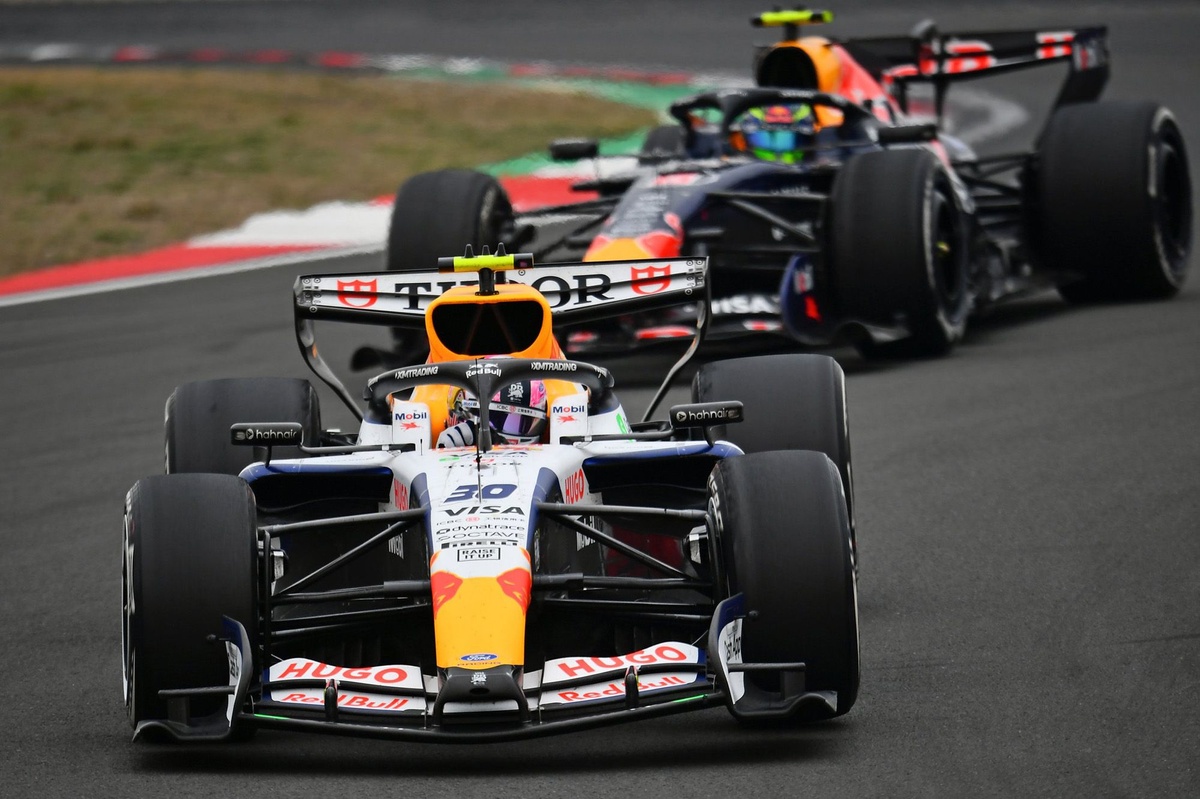
Racing Bulls: 12 points. Red Bull Racing: 12 points. Same engine. Same power unit manufacturer. One team figured out how to use it.
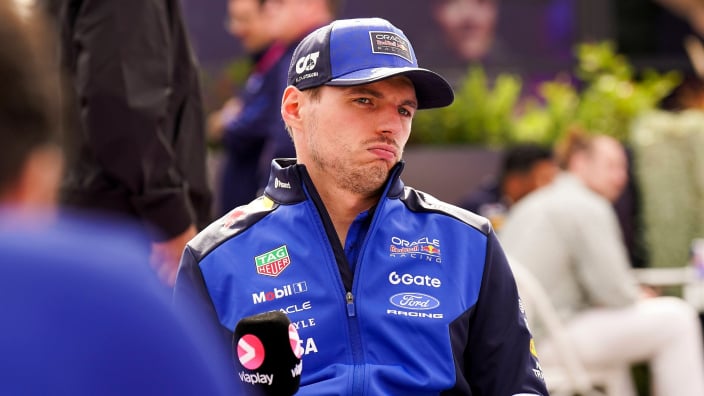
The most brutal humiliation in F1 isn’t getting beaten by Mercedes or Ferrari. It’s getting matched by your own B-team using your own engine while your three-time world champion publicly complains about the car being “undriveable.”
Analysis from the first two races reveals Racing Bulls is extracting more performance from their Red Bull Powertrains unit than the main Red Bull team. The sister squad isn’t just keeping pace — they’re showing Milton Keynes how it should be done.
The Numbers Don’t Lie
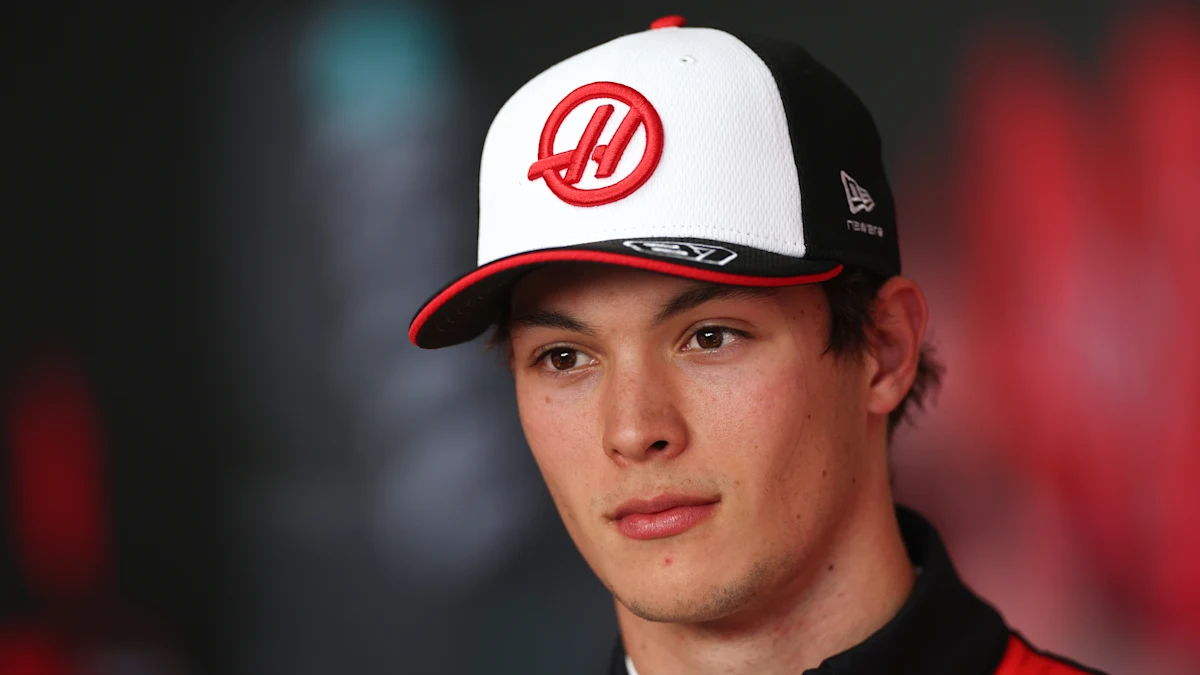
Liam Lawson finished P7 in China. Max Verstappen DNF’d on lap 45 with reliability issues. Arvid Lindblad, an 18-year-old rookie, has four championship points. Isack Hadjar, promoted from Racing Bulls to Red Bull Racing, has the same number.
The energy deployment data tells the real story. Racing Bulls is harvesting 15% more electrical energy per lap through the braking zones. Their battery management strategy allows for longer periods of maximum deployment. Meanwhile, Red Bull Racing drivers are lifting and coasting earlier, managing power unit temperatures that shouldn’t be an issue.
Winter testing masked these differences. The focus was on aero balance, tire degradation, basic reliability. Nobody was pushing the hybrid systems to their limits across race distances. The new 50/50 power split between internal combustion and electrical power demands completely different energy management strategies.
'The engine feels different today, more responsive in the energy zones'
— Liam Lawson, China GP Practice 2
Racing Bulls cracked the code. Their engineers, led by Laurent Mekies, approached the new hybrid regulations without the baggage of previous success. No assumptions about what should work. No legacy thinking from the ground effect era.
Software vs Hardware
Red Bull Racing built their engine mapping philosophy around maximum ICE performance. Push the V6 turbo hard, use electrical power as supplementary boost. Classic Red Bull thinking — brute force first, finesse second.
Racing Bulls flipped the script. Their software treats electrical and combustion power as equal partners. Energy harvesting zones are optimized for maximum battery charging. Deployment strategies stretch electrical assistance across longer portions of each lap.
The result? Racing Bulls cars are faster through the middle sectors where energy management matters most. Red Bull Racing cars overheat their batteries, forcing earlier lift-and-coast phases. Verstappen’s China DNF wasn’t random mechanical failure — it was a power unit overwhelmed by aggressive deployment strategies that don’t match the new regulations.
This isn’t about driver talent. Verstappen remains one of the greatest drivers in F1 history. Lawson and Lindblad are talented, but they’re not performing miracles. They’re simply driving cars optimized for 2026 regulations while their senior team clings to 2024 thinking.
What This Means
Red Bull Racing faces a choice. Admit their junior team figured out something they missed, adopt Racing Bulls’ energy management strategies, and potentially salvage their season. Or continue down their current path, watching Verstappen’s frustration grow while their B-team scores points they should be earning.
The technical regulations won’t change. The hybrid system demands this new approach. Teams that adapt will thrive. Teams that don’t will watch their former dominance crumble.
Racing Bulls isn’t just embarrassing Red Bull Racing. They’re proving that fresh thinking beats established hierarchy in F1’s new hybrid era. The student has become the teacher.
And the teacher needs to start taking notes.