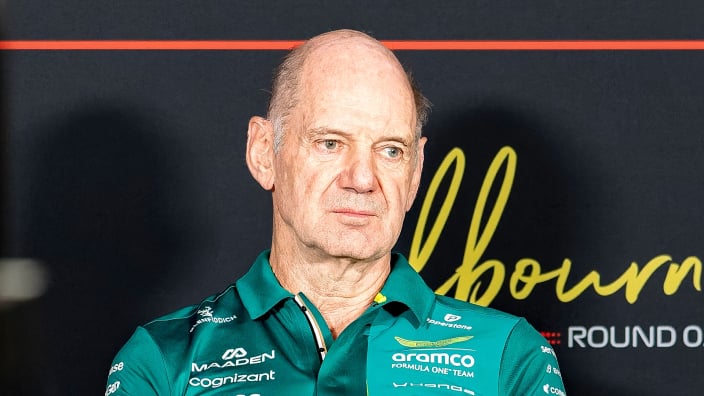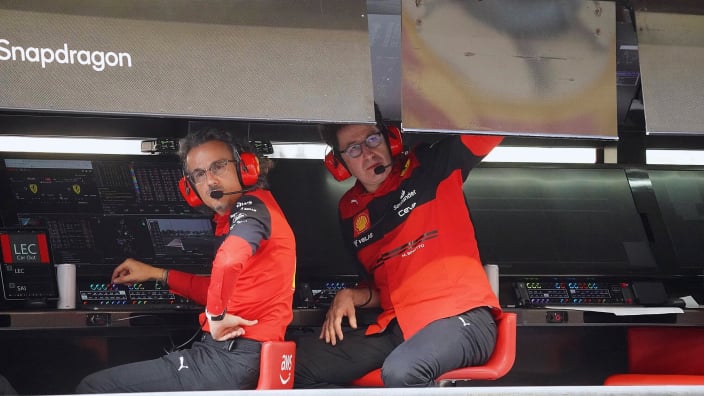
Jonathan Wheatley has left Audi. Two races into the 2026 season, zero points on the board, and the man who was supposed to transform the former Sauber outfit into a German engineering powerhouse has walked away. Enter Mattia Binotto, stage right, carrying a briefcase full of strategic masterclasses and a CV that reads like a cautionary tale about Ferrari management.
This is Formula 1 in 2026. Where team principals have shorter shelf lives than DRS zones and everyone’s an expert until the first reliability failure.
The Wheatley Exit
Jonathan Wheatley’s departure from Audi comes at precisely the worst possible moment. The team sits dead last in the constructors’ championship with both Hulkenberg and Bortoleto yet to score a single point. Their Chinese GP weekend was a masterpiece of mechanical sympathy—Hulkenberg’s power unit expired on lap 32, Bortoleto didn’t even make it to the grid.
'The car just died. No warning, nothing.'
— Nico Hulkenberg, Chinese GP lap 32
Wheatley, who spent years as Red Bull’s sporting director during their dominant period, was meant to bring that winning mentality to Hinwil. Instead, he’s discovered that building a competitive F1 car from scratch is slightly more complex than optimizing pitstop strategies for Max Verstappen.
The timing suggests this wasn’t entirely Wheatley’s choice. Teams don’t lose their leadership two races into a season unless something has gone catastrophically wrong behind the scenes.
Enter Binotto, Again
Mattia Binotto’s return to the F1 paddock feels inevitable in the way that bad weather feels inevitable in Belgium. The former Ferrari team principal, who departed Maranello in late 2022 amid strategic confusion and championship-losing decisions, apparently believes he deserves another opportunity to demonstrate his management philosophy.
Binotto’s Ferrari tenure included some genuine highlights—the 2022 car was genuinely quick when it worked—but his strategic calls became the stuff of memes. The man who gave us “we are checking” as a response to every tactical question now gets to apply that same decisive leadership to Audi’s reliability nightmares.
There’s something almost poetic about Binotto taking over a team that can’t keep its cars running. At Ferrari, his strategies often achieved the same result, just through different means.
What This Actually Means
Strip away the drama and Binotto’s appointment makes a certain kind of sense. He understands the technical regulations, has experience managing major manufacturer expectations, and knows how to work within F1’s political ecosystem. His Ferrari departure wasn’t entirely his fault—the 2022 car had genuine pace, and some of those strategic errors came from pit wall panic rather than fundamental incompetence.
Audi needs someone who can navigate the complexities of integrating a new power unit philosophy with chassis development while managing driver relationships and manufacturer politics. Binotto has done versions of all of these things, even if the results weren’t always optimal.
The challenge is whether he’s learned from his Ferrari experience or whether he’ll repeat the same patterns with different colored overalls. Audi’s problems run deeper than team principal selection—their power unit integration appears fundamentally flawed, and no amount of strategic brilliance can overcome cars that don’t finish races.
But perhaps that’s exactly what Binotto needs: a situation where the technical challenges are so obvious that strategic overthinking becomes impossible. Sometimes the best strategy is simply making the car work first.
The musical chairs continue spinning, and somewhere in Hinwil, mechanics are probably just hoping their next boss lets them finish building the thing before demanding championship contention.