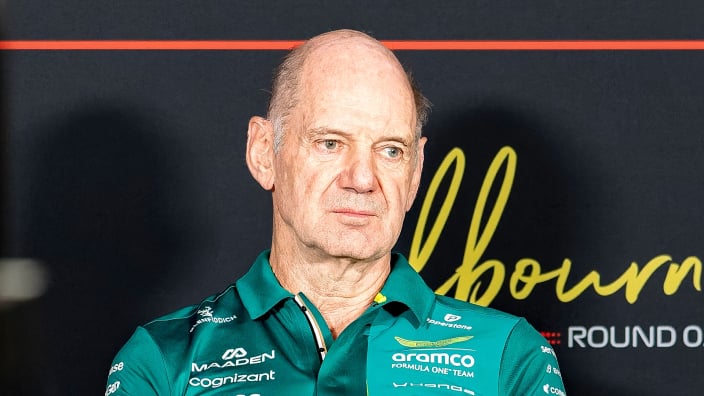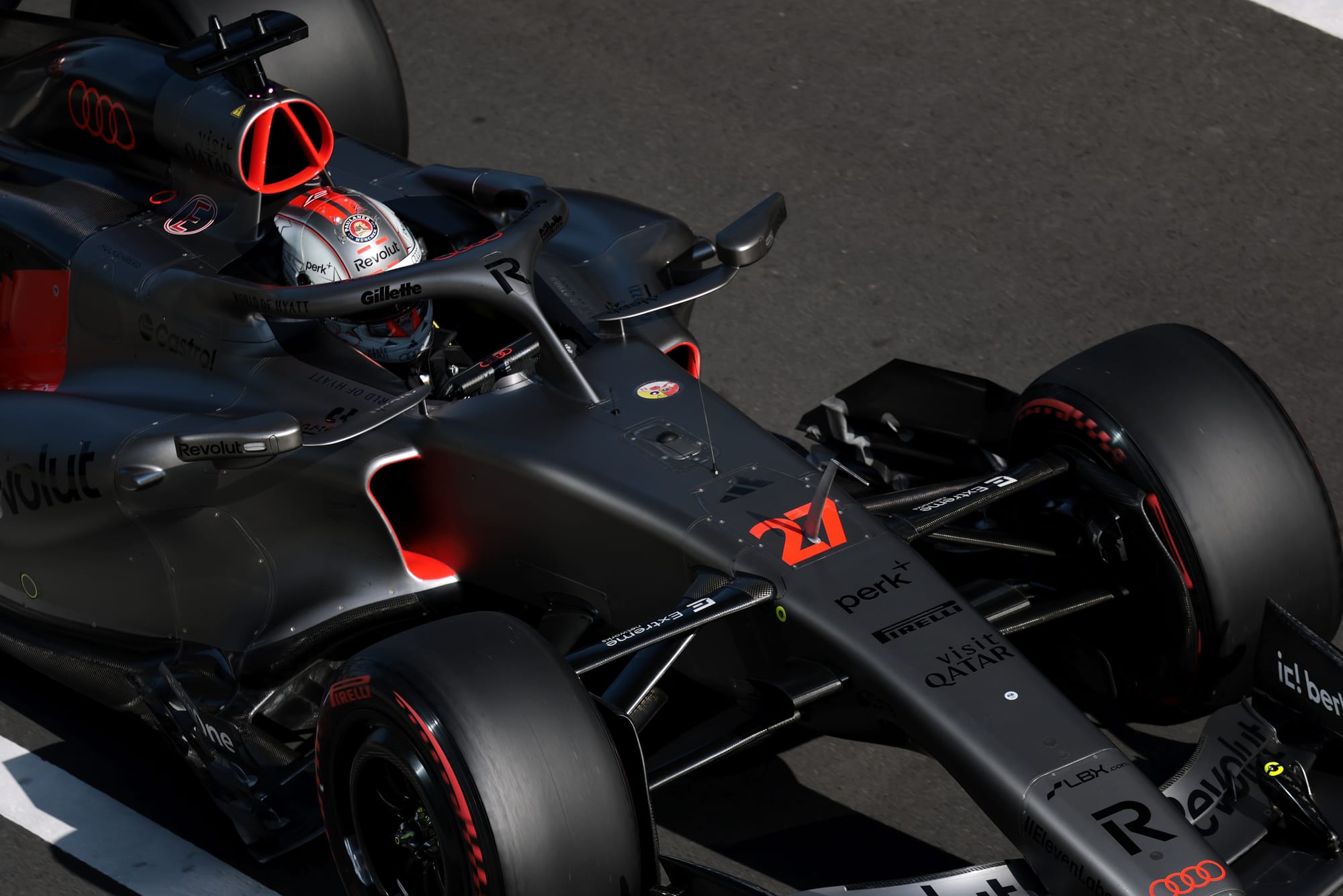
Two races. That’s how long Jonathan Wheatley lasted as Audi’s Formula 1 team principal before walking away from what was supposed to be the German manufacturer’s triumphant return to the sport.
The man who helped orchestrate four consecutive Red Bull championships couldn’t survive eight weeks in Hinwil. Even for a team formerly known as Sauber — historically F1’s most creative underachievers — this sets a new standard for organizational chaos.
Wheatley’s exit lands harder because of what he represented. This wasn’t some corporate suit parachuted in from Ingolstadt. This was Red Bull’s strategic mastermind, the guy who could read a race like sheet music, poached specifically to bring championship-winning DNA to Audi’s works team project.
Instead, he got Gabriel Bortoleto scoring 2 points across two weekends while Nico Hulkenberg openly questioned whether the car knew which direction the finish line was located.
The Numbers Don’t Lie
Two points from four possible finishes. That’s Audi’s return on their reported €500 million investment so far. Hulkenberg managed P9 in Australia before both cars failed to even start in China due to what the team diplomatically called “pre-race technical issues.”
'The car feels like it wants to go backwards faster than forwards'
— Nico Hulkenberg, Chinese GP
Meanwhile, Haas — using year-old Ferrari components and a fraction of Audi’s budget — sits fourth in the constructors’ championship. Oliver Bearman has more points in a Haas than both Audi drivers combined.
That’s not just embarrassing. That’s a fundamental indictment of everything Audi claimed they were bringing to this sport.
Behind Closed Doors
Sources suggest the friction between Wheatley and COO Mattia Binotto reached breaking point during the Chinese GP weekend. Two strong personalities, two different philosophies about how to run an F1 operation, and apparently zero common ground on which direction the team should take.
Binotto arrived from Ferrari with his own ideas about organizational structure. Wheatley came from Red Bull expecting the kind of operational autonomy that made him so effective in Milton Keynes. Oil, meet water.
The breaking point reportedly came when Wheatley pushed for immediate changes to the car’s fundamental concept — the same flat-bottomed design philosophy that’s seeing Mercedes dominate and Audi struggle to reach Q2. Binotto wanted to stick with their development roadmap through at least the first quarter of the season.
In the end, neither got what they wanted. Wheatley got his exit. Binotto got a team principal vacancy three weeks before Suzuka.
What This Really Means
Strip away the corporate speak and internal politics, and you’re left with a simple truth: Audi’s F1 project is already in crisis mode before most fans have figured out how to pronounce “Bortoleto.”
This isn’t just about losing a team principal. It’s about losing credibility. When a proven winner like Wheatley — someone who’s forgotten more about F1 strategy than most people ever learn — decides your operation isn’t worth fixing, that sends a message throughout the paddock.
The works team advantage means nothing if you can’t translate technical resources into laptime. The Audi badge means nothing if your cars can’t make it to the starting grid. And all the German engineering excellence in the world means nothing if your organizational structure resembles a game of musical chairs played during an earthquake.
Audi promised they’d be different from the teams that came before. They promised factory backing, unlimited resources, and championship ambitions within five years.
Two races in, they’re already looking for their second team principal. The Sauber curse lives on, even with new management and a four-ring badge on the nose.