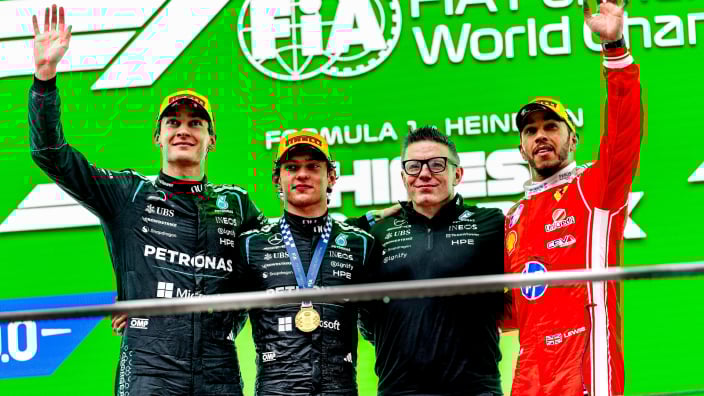
Lap 45 of the Chinese Grand Prix, and Kimi Antonelli crosses the line for his maiden victory. George Russell follows him home for another Mercedes one-two. The Silver Arrows are back on top after three years in the wilderness. You’d think this would be cause for celebration in Brackley.
Instead, Mercedes have just announced they’re splitting the team principal role in half.
The timing could not be more peculiar. Two races into the 2026 season, Mercedes sit comfortably atop both championships with 98 points to Ferrari’s 67. Their 19-year-old prodigy has already won a race. Their regulation gamble on the new active aero and energy management systems has paid off spectacularly. This should be victory lap territory, not management consultant season.
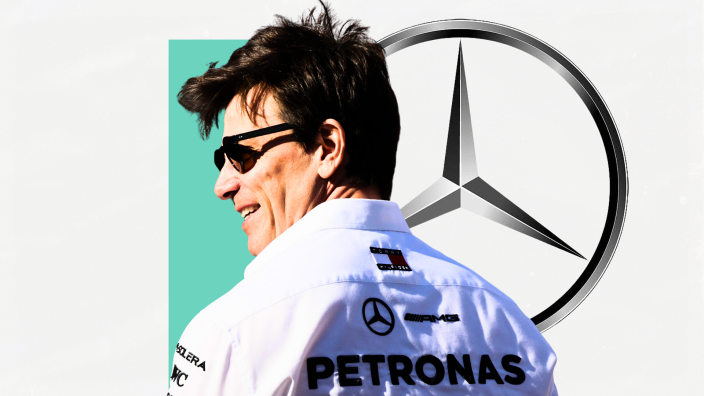
Yet here we are, with Mercedes creating what they’re calling a “dual leadership structure” that will see Toto Wolff maintain his role as CEO and Team Principal while a new appointee takes on day-to-day operational responsibilities as “Team Principal - Operations.”
When Success Breeds Reorganization
The announcement, buried in a Wednesday morning press release that read like it was written by committee, suggests this restructure has been months in the planning. Mercedes cite the increasing complexity of modern F1 operations, the expanded 24-race calendar, and the need to “optimize leadership bandwidth across multiple competitive fronts.”
Translation: even when they’re winning, they’re still finding ways to complicate things.
'We need to think about the structure for the long term, not just the next race weekend. The sport has evolved, and our leadership structure needs to evolve with it.'
— Toto Wolff, announcing the restructure
Wolff will retain overall strategic oversight, commercial partnerships, and what Mercedes diplomatically term “championship vision.” The new role will handle race operations, technical coordination, and personnel management. Think of it as splitting the difference between boardroom politics and pitwall pressure.
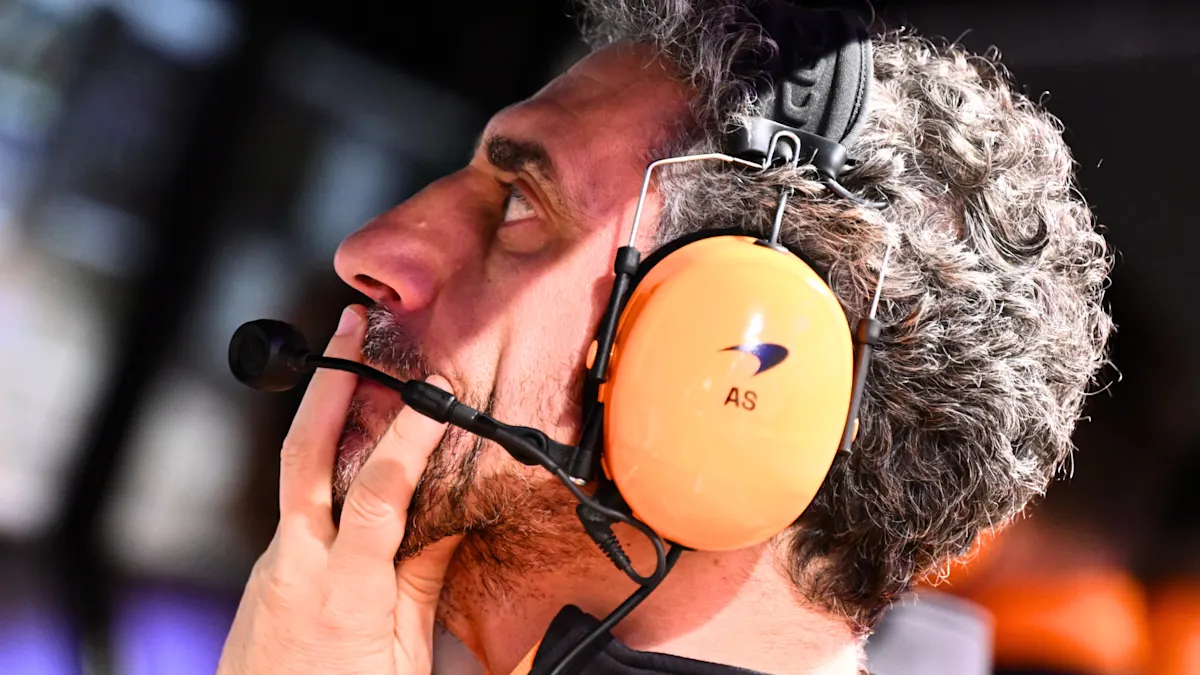
The identity of this new Team Principal - Operations remains under wraps, though paddock whispers suggest an internal promotion rather than an external hire. Names being floated include current Technical Director Mike Elliott and Trackside Engineering Director Andrew Shovlin, both of whom have been instrumental in Mercedes’ 2026 resurgence.
The Complexity Problem
To be fair to Mercedes, modern F1 team management has become genuinely overwhelming. The 2026 regulation changes alone required coordinating development across aerodynamics, power unit integration, energy management software, and active aero systems. Add in the expanded calendar, cost cap compliance, driver management, and the ever-present media circus, and you start to see why one person might struggle to juggle it all.
Red Bull have Christian Horner handling team operations while Helmut Marko focuses on driver development and strategic planning. Ferrari split responsibilities between Team Principal Fred Vasseur and various technical directors. McLaren operate with Andrea Stella as Team Principal and Zak Brown as CEO handling commercial affairs.
Mercedes, meanwhile, have had Wolff attempting to be everything to everyone: strategist, spokesman, negotiator, motivator, and technical overseer. Even for someone with his energy and experience, that’s a recipe for burnout or oversight gaps.
The timing of this announcement, however, suggests something more immediate triggered the decision. Mercedes dominated the opening rounds, but there were operational hiccups that went largely unnoticed amid the celebration. Antonelli’s pole position in China came after a chaotic qualifying session where Mercedes initially struggled with energy deployment timing. Russell’s race strategy in Australia involved a late pit stop call that nearly cost him the victory.
The Real Question
Here’s what makes this genuinely intriguing rather than just corporate reshuffling: Mercedes are making this change from a position of strength, not weakness. When teams restructure during crisis periods, it’s obvious why. When they do it while leading both championships, it suggests either remarkable forward planning or underlying issues that aren’t immediately visible.
The cynical reading is that Mercedes recognize their current advantage might be temporary. Ferrari look increasingly competitive with Hamilton finding his form, and it’s only a matter of time before Red Bull sort out their 2026 struggles. Better to optimize the management structure now, while they have breathing room, than scramble to fix it mid-championship battle.
The optimistic reading is that Mercedes have learned from their 2022-2024 struggles and are determined not to waste another dominant car through operational errors or strategic miscalculations. Sometimes the best time to fix the roof is when the sun is shining.
Either way, Formula 1 has just gained its first official dual-team-principal structure. Whether this proves to be organizational genius or corporate overcomplplication remains to be seen. What we know for certain is that Mercedes have never been afraid of unconventional solutions.
They just hope this one works better than their 2022 sidepod concept.