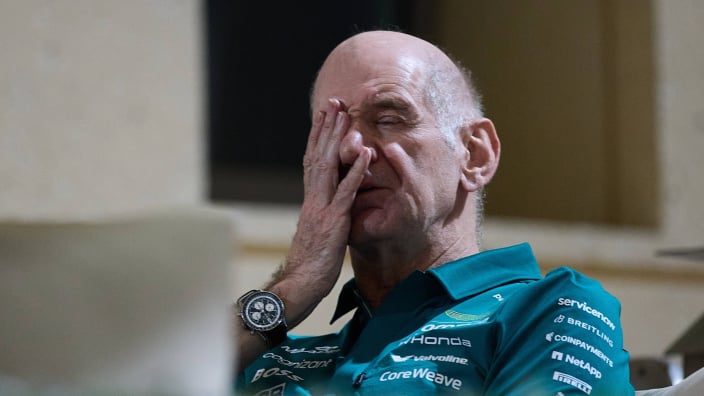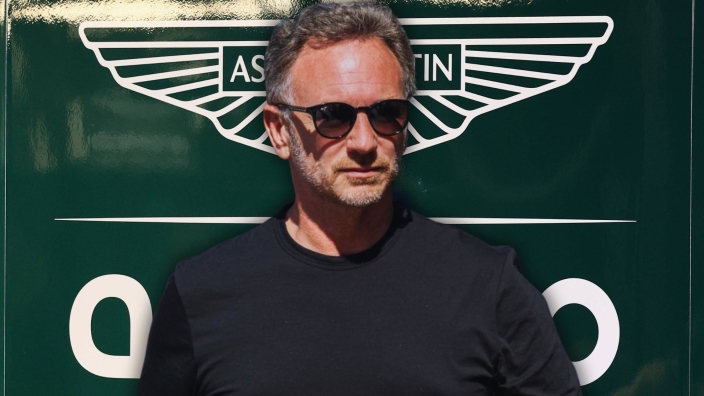
Christian Horner has been spotted in meetings with Aston Martin personnel, according to multiple paddock sources. This comes as speculation intensifies around Adrian Newey’s struggling tenure as team principal at the Lawrence Stroll-owned operation.
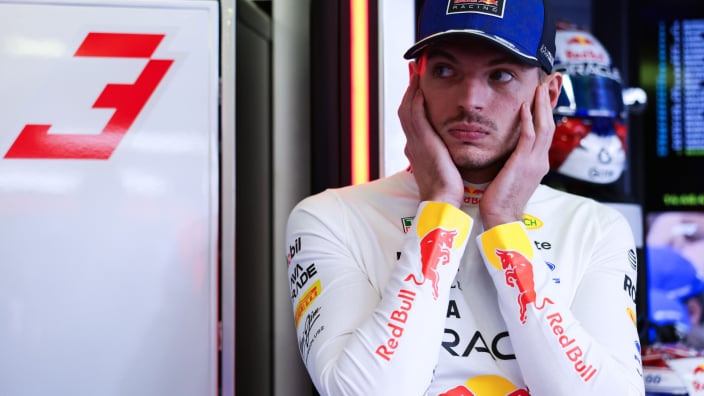
The timing is exquisite. Red Bull Racing currently sits fifth in the constructors’ championship with a mere 12 points after two rounds, while Aston Martin occupies the basement with zero points and both drivers failing to finish in China. Max Verstappen has been heard complaining about his car’s handling characteristics on team radio with the enthusiasm of a man describing root canal surgery.
When Vultures Circle
Horner’s presence at what sources describe as “exploratory discussions” raises obvious questions about his confidence in Red Bull’s current trajectory. The team that dominated Formula 1 from 2021 through 2024 now finds itself struggling to extract performance from the new regulations, with their own Red Bull Powertrains engine showing reliability concerns.
Meanwhile, Aston Martin’s experiment with Adrian Newey as team principal appears to be producing results that could charitably be described as “educational.” The legendary aerodynamicist, who moved from Red Bull to Aston Martin in late 2025, has found the transition from designing cars to managing an entire racing operation challenging. Fernando Alonso’s frustration levels have reached the point where even his diplomatic media responses carry the subtle menace of a man contemplating retirement announcements.
'The car is undriveable. I cannot work with this.'
— Max Verstappen, Chinese GP radio after DNF
Lawrence Stroll, never one to accept mediocrity when his considerable resources could theoretically purchase excellence, is reportedly exploring his options. The Canadian businessman has invested heavily in Aston Martin’s F1 project, securing Honda engines and recruiting Newey, yet finds his team trailing Cadillac in the championship standings. Cadillac, it should be noted, is a brand-new team using customer Ferrari engines and drivers who spent 2025 watching races from their sofas.
The Horner Factor
Horner brings something Newey does not: extensive experience managing the political complexities of Formula 1 team operations. His ability to navigate FIA bureaucracy, driver egos, and sponsor demands while maintaining competitive performance has been proven across multiple championship campaigns. The question is whether he can replicate that success with a different power structure and car philosophy.
The irony cuts deep. Red Bull’s dominance was built on the Horner-Newey partnership, with Horner managing the team while Newey designed the cars. Now one struggles without the other, while Mercedes enjoys the kind of early-season dominance that suggests they understood the 2026 regulations better than anyone expected.
Red Bull’s current predicament extends beyond simple performance issues. The transition to their own power unit has introduced reliability concerns, while the new active aerodynamics regulations appear to have caught their engineering team unprepared. Verstappen’s public frustration, combined with Sergio Perez’s departure to Cadillac, has created an atmosphere of uncertainty around a team accustomed to setting the competitive benchmark.
Reality Check
For all the speculation and paddock gossip, Horner remains under contract with Red Bull Racing. His departure would require significant negotiation, particularly given his central role in the team’s commercial relationships and strategic planning. Aston Martin, despite their current struggles, represents an intriguing proposition: substantial financial backing, Honda power units, and the theoretical framework for success that Newey’s technical expertise provides.
The fundamental question is whether Horner’s management skills can complement Newey’s design genius in a different environment, or whether their previous success was specifically dependent on Red Bull’s unique organizational structure. Early evidence suggests that great technical minds do not automatically translate into effective team leadership, while proven team principals might struggle to adapt their methods to unfamiliar corporate cultures.
What remains certain is that both Red Bull and Aston Martin face critical decisions about their respective futures. One team seeks to recapture lost dominance, while the other desperately needs to justify its considerable investments with actual competitive performance.
The paddock watches, speculates, and waits for official announcements that may never come.