Kimi Antonelli sits second in the championship with 47 points and a race win. Oscar Piastri has 3 points and a DNS at his home race. Sometimes the sliding doors moment is actually the front door being wide open, and you just have to be brave enough to walk through it.
The punditry class is having a field day with Mercedes’ decision to promote 19-year-old Antonelli rather than pursue McLaren’s proven race winner Piastri when Lewis Hamilton departed for Ferrari. Armed with two races of 2026 data, suddenly everyone knows exactly what Toto Wolff should have done. The Austrian must be devastated by this retrospective wisdom.
The Numbers Don’t Lie
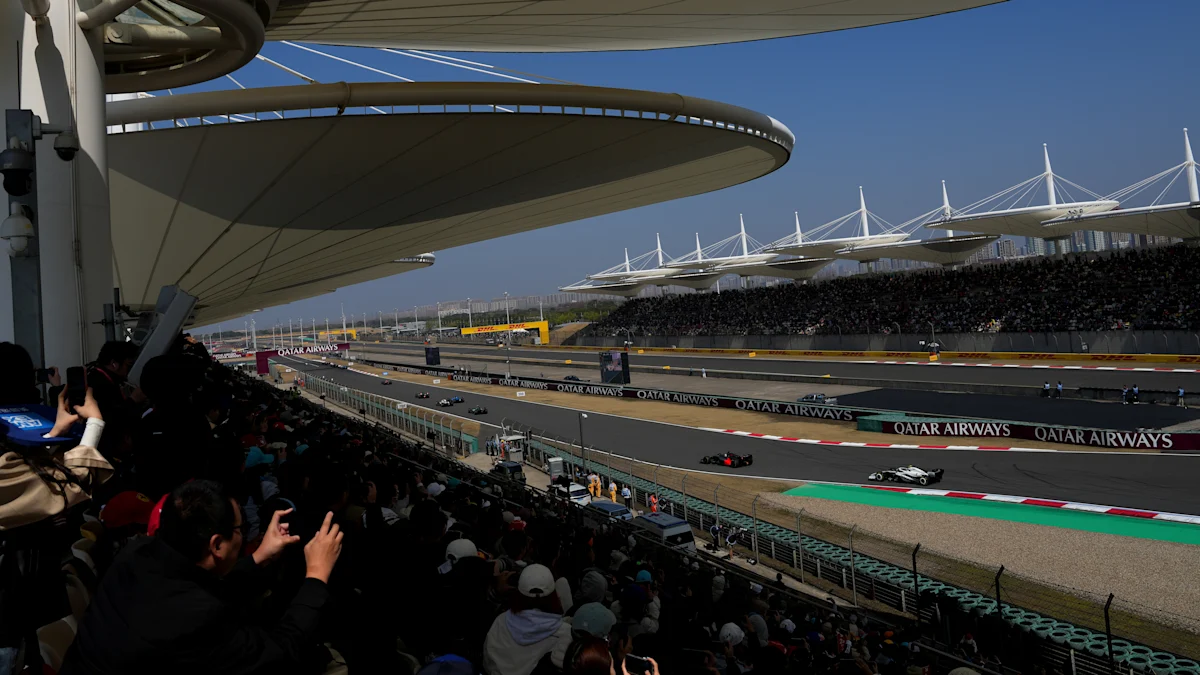
Mercedes currently leads both championships by comfortable margins. Their 98 constructor points represent more than Ferrari (67) and McLaren (18) combined. Antonelli’s maiden victory in Shanghai made him the second-youngest race winner in F1 history, following his record as youngest-ever pole sitter the day before.
Meanwhile, Piastri crashed on his way to the grid in Melbourne — a DNS at his home race that perfectly encapsulated McLaren’s horror start to 2026. The electrical failure that sidelined both McLaren drivers in China wasn’t Piastri’s fault, but it’s hard to argue he’d be doing better at Mercedes when he can’t even get his current car to the finish line.
'I told you all he was ready. The kid has ice in his veins.'
— Toto Wolff, post-China GP interview
The data suggests Mercedes understood something about the 2026 regulations that escaped other teams. The new 50/50 power split between ICE and electrical systems rewards drivers who can adapt quickly to energy management complexities. Antonelli, having grown up with sim racing and modern hybrid systems, seems naturally attuned to the electrical deployment strategies that older drivers find challenging.
Strategic Patience vs Market Opportunism
Mercedes’ approach reflects a fundamental philosophy about driver development. Rather than shopping for proven talent, they invested in potential. Antonelli’s junior career — F2 race winner, multiple category champion — suggested raw speed. What they couldn’t predict was his composure under pressure.
The Chinese GP exemplified this perfectly. Starting from pole position, Antonelli managed his electrical deployment zones flawlessly while keeping George Russell at bay. His 1:35.275 fastest lap came on worn tyres with 15 laps remaining — exactly when energy management becomes most critical. That’s not luck; that’s understanding the car’s systems at a molecular level.
Piastri, meanwhile, would have brought immediate competitiveness but potentially limited upside. At 25, he’s entering his prime years but carries the strategic limitations that come with established driving patterns. The 2026 regulations reward adaptability over experience, and youth over wisdom.
The McLaren Factor
Perhaps the most overlooked aspect of this debate is McLaren’s role in making Piastri unavailable. Their contract structure, combined with Lando Norris’s championship defense, created a situation where losing Piastri would have been catastrophic for their constructor ambitions.
Mercedes understood this reality. Pursuing Piastri would have meant a protracted legal battle, massive compensation payments, and potential relationship damage with McLaren — their engine customer. Instead, they backed their academy graduate and avoided unnecessary drama.
The irony is that McLaren’s determination to keep Piastri may have cost them more than losing him would have. Their early-season struggles suggest fundamental issues with the new regulations, problems that might have been easier to solve with fresh perspective in the driver lineup.
Beyond The Scoreboard
What strikes me most about Antonelli’s early performances isn’t just the speed — it’s the maturity. His radio communications remain calm under pressure. His wheel-to-wheel racing shows respect for space while maintaining aggression. These aren’t teachable skills; they’re instinctive qualities that separate good drivers from great ones.
The Chinese GP victory wasn’t a fluke result from chaos or strategy. Antonelli controlled the race from pole position, managed multiple safety car restarts, and pulled away when it mattered. That’s champion-level composure from someone who couldn’t legally drink champagne at most victory celebrations.
Mercedes didn’t just choose correctly — they chose brilliantly. While pundits debate hypothetical scenarios, Antonelli continues building a championship challenge that validates their faith in youth over experience. Sometimes the sliding doors moment isn’t about what might have been, but recognizing what already is.
The kid has 47 points and a race win. The debate should be over.