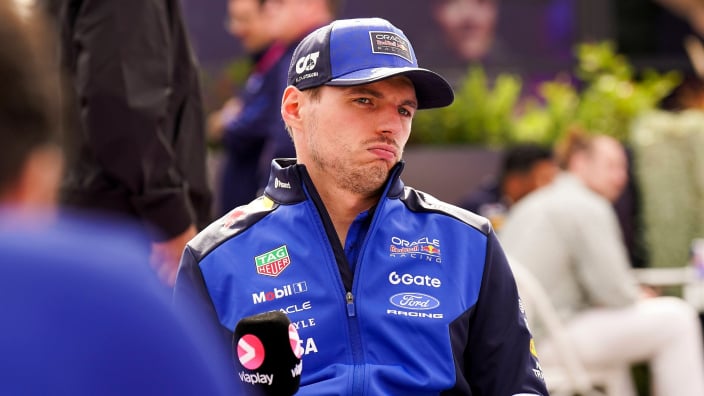
Max Verstappen is considering retirement. After two races. TWO.
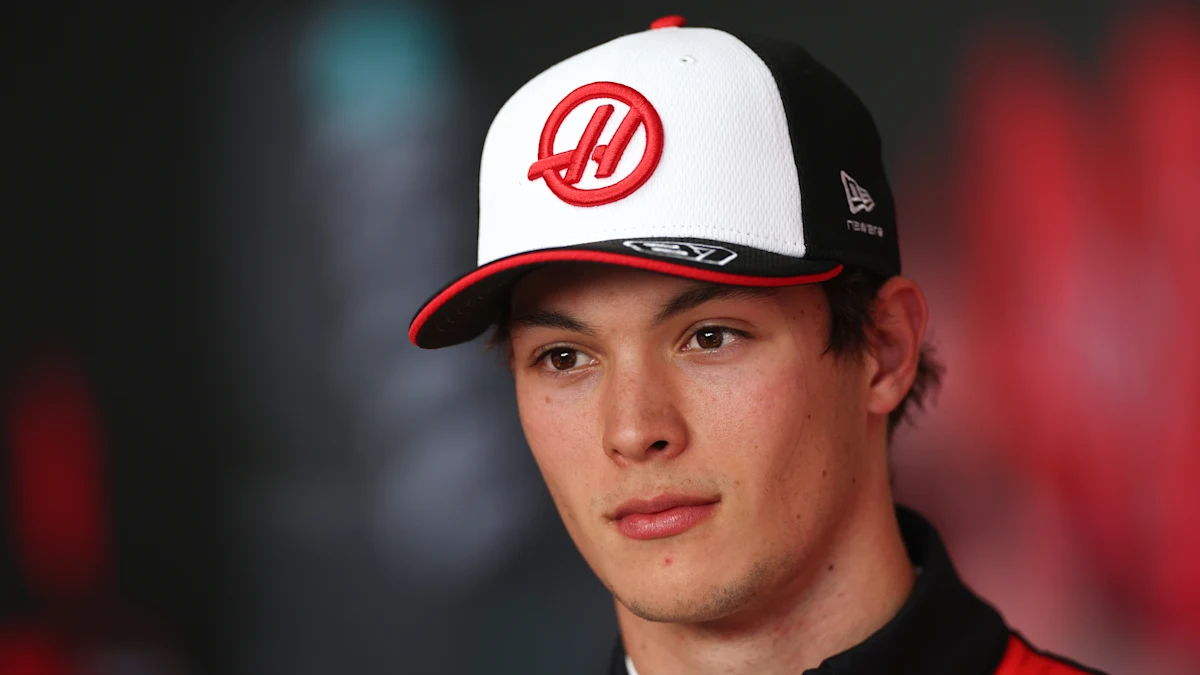
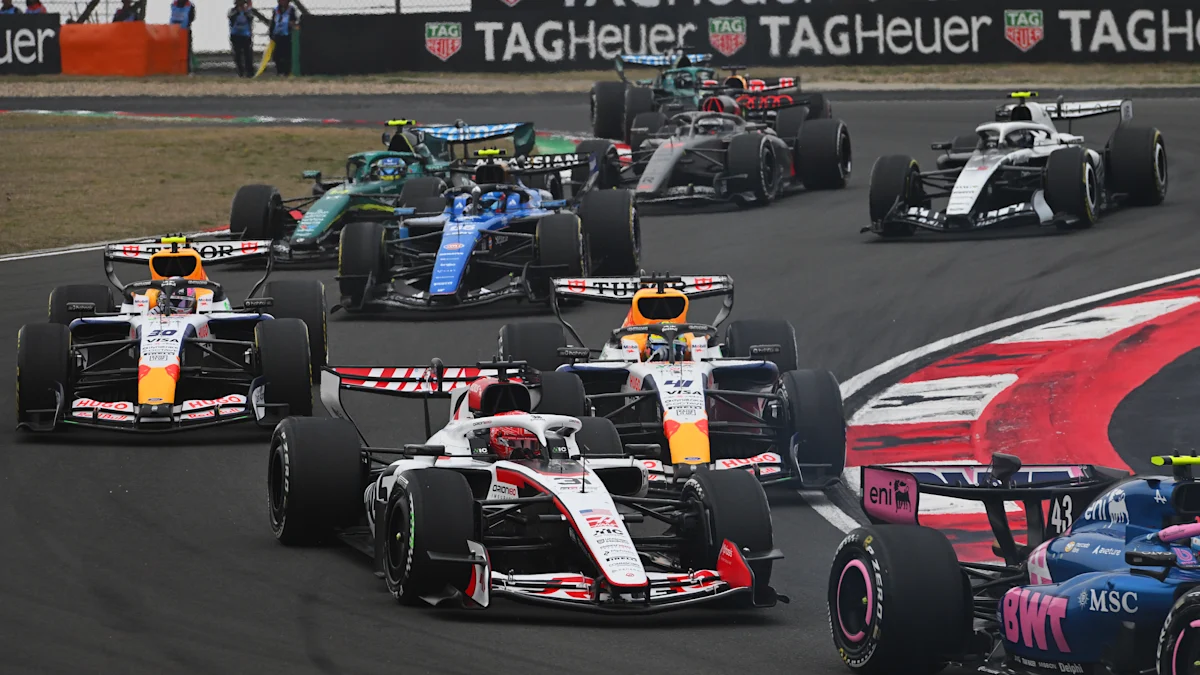
The four-time world champion sits eighth in the standings with eight measly points, watching Mercedes drivers young enough to be his little brothers lap him for fun. His Red Bull is slower than a Haas. A HAAS. Oliver Bearman has more than double Max’s points total.
This isn’t just a rough patch. This is the sound of F1’s golden goose being strangled by its own governing body.
The Regulation Revolution That Nobody Asked For
The 2026 technical regulations were supposed to be revolutionary. Mission accomplished! They’ve revolutionized F1 from “Max Verstappen wins everything” to “Max Verstappen wants to go home.”
Active aerodynamics? Brilliant in theory. Cars that morph their wings on straights, close them in corners, manage electrical energy like a mobile phone battery. The future of motorsport! Except they forgot one tiny detail: making it actually work.
'These cars are undriveable. I don't know what they were thinking with these regulations.'
— Max Verstappen, post-China GP
The 50/50 power split between combustion and electrical has turned every race into a mobile phone charging anxiety nightmare. Drivers are spending more time managing battery levels than actually racing. Verstappen went from surgical precision to energy management spreadsheet analyst.
Red Bull, masters of aerodynamic efficiency and race strategy, suddenly find themselves with a car that handles like a shopping trolley with three wonky wheels. Their competitive advantage? Gone. Their driver? Furious.
Mercedes Found the Secret Sauce
Meanwhile, Mercedes have cracked the code completely. George Russell leads the championship. Kimi Antonelli, at 19 years old, has already won a race and made Max look like a rookie struggling with his first go-kart.
The painful irony? Mercedes spent 2022-2024 complaining about porpoising and ground effect cars. The FIA listened, scrapped ground effect for 2026, and handed Mercedes exactly the flat-bottomed formula they understand better than anyone else.
Red Bull dominated the ground effect era because they mastered the dark arts of Venturi tunnels and floor edge management. Those skills are now worthless. It’s like being a master chef and suddenly being asked to perform brain surgery.
The Human Cost of Technical Incompetence
Here’s the sincere bit: Max Verstappen is 28 years old and has given F1 some of its most breathtaking moments. His wheel-to-wheel battles, his rain mastery, his ability to extract performance from difficult cars — that’s not corporate PR fluff. That’s genuine artistry behind the wheel.
To see him this frustrated, this early in a regulation cycle, should terrify F1. You don’t get many drivers of Max’s caliber. When they start talking retirement because your technical regulations have sucked the joy out of racing, you’ve failed spectacularly.
The FIA spent years crafting these rules. Consulted teams, ran simulations, promised closer racing and technological innovation. Instead, they’ve created cars that are harder to drive, less intuitive to develop, and have completely reshuffled the competitive order in ways that feel arbitrary rather than earned.
Red Bull’s Championship Hangover
Christian Horner’s team went from four consecutive titles to watching Haas score more points. That’s not gradual decline — that’s regulatory whiplash.
The Red Bull Powertrains project, their ambitious move to in-house engine development, was supposed to give them control over their destiny. Instead, they’re dealing with reliability issues (Verstappen’s China DNF) while Mercedes customer teams cruise past them.
'We've gone backwards in every area. The car doesn't respond to setup changes like it used to.'
— Christian Horner, Australia post-race
Isack Hadjar, promoted from Racing Bulls after his impressive 2025 season, finds himself in the impossible position of trying to learn F1 race craft while his team fumbles with basic car balance. The kid deserves better than being collateral damage in regulatory chaos.
F1’s Self-Inflicted Wound
The most damaging aspect isn’t even the technical failure — it’s the timing. F1 is at peak global popularity. Netflix audiences, American expansion, record viewership. The sport has never been bigger.
And they’ve managed to frustrate their biggest star into retirement consideration after 1.2% of the season.
That’s not regulation evolution. That’s regulation vandalism. The FIA had one job: don’t break the thing that was working. Instead, they’ve created a formula that makes their most marketable driver want to find a different job.
Verstappen might stay. He might adapt. Red Bull might find solutions. But the fact that retirement is even being discussed after two rounds tells you everything about how catastrophically these regulations have misfired.
Revolutionary? Absolutely. Revolutionary disasters usually are.