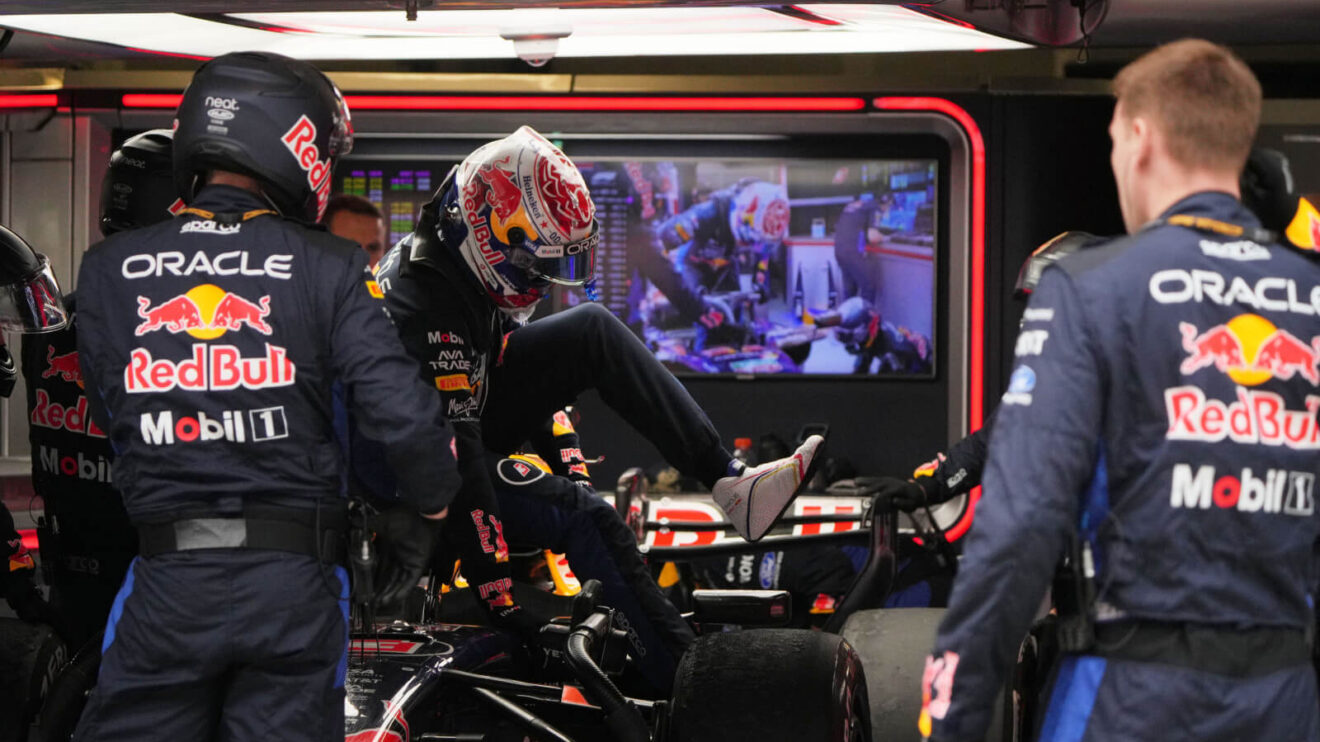
The critical moment should have been in scrutineering, when the FIA’s technical delegates ran their checks and confirmed every car met the 768kg minimum weight requirement. Instead, it happened in the paddock when someone with a smartphone and functioning eyeballs did what the sport’s governing body apparently couldn’t manage.
Another day, another fan with a camera doing the FIA’s job better than the actual officials. This time, the amateur sleuth has allegedly caught Red Bull running 30kg overweight — a technical violation so significant it makes their current performance woes look like a minor inconvenience.
When Fans Become Technical Inspectors
The images, circulating faster than Max Verstappen’s complaints about the 2026 regulations, purportedly show data from Red Bull’s car indicating a weight of 798kg. For context, that’s not just over the minimum — it’s exactly the old 2025 minimum weight, suggesting either a catastrophic miscalculation or someone forgot to read the new regulation book.
The minimum weight dropped to 768kg for 2026 as part of the “Nimble Car Concept,” designed to make these new active-aero machines more agile. Carrying an extra 30kg is like strapping a spare tyre to your Formula 1 car — except less aerodynamic and more embarrassing.
'The car feels heavy, guys. Really heavy. Like we're carrying extra passengers.'
— Max Verstappen, Chinese GP Practice (allegedly)
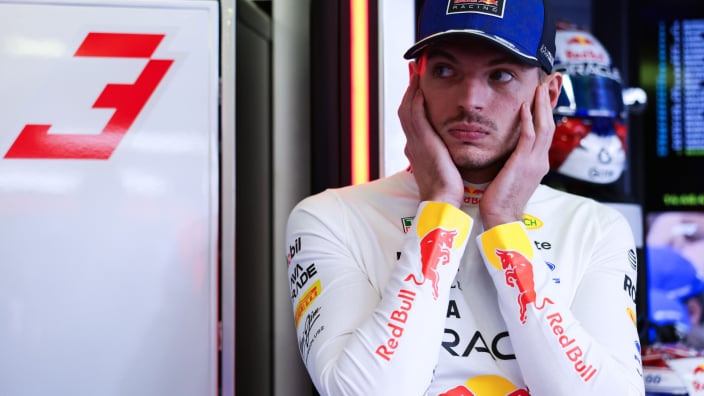
Red Bull’s struggles suddenly make perfect sense. Verstappen has been complaining about the car’s handling since testing, describing it as “undriveable” and “completely different from what we expected.” Turns out the difference might be 30 kilograms of unauthorized ballast.
The FIA’s Oversight Olympics
Here’s where the story gets properly ridiculous. The FIA has a comprehensive technical scrutineering process involving weight checks, dimensional verification, and component analysis. Every car gets weighed multiple times throughout a race weekend. The technical delegates have scales, measuring devices, and presumably functioning brains.
Yet somehow, a fan with a camera phone managed to spot what the official scrutineers missed. It’s like having a VAR system that consistently fails to spot obvious handballs while spectators in the stands immediately see the infringement.
The FIA’s technical department, led by Jo Bauer, has faced criticism before for inconsistent enforcement and delayed decisions. Remember the flexible wing debates, the fuel flow sensor controversies, or the porpoising arguments that dominated 2022? Each time, fans and journalists spotted issues before official action followed.
This weight discrepancy, if confirmed, represents something far more fundamental than aerodynamic interpretation or measurement methodology. Weight is binary — you either meet the minimum or you don’t. There’s no grey area, no room for creative interpretation.
Red Bull’s Perfect Storm
The timing couldn’t be worse for Red Bull. Already struggling with the 2026 regulation changes, sitting eighth in the drivers’ championship with Verstappen, and facing questions about their new Red Bull Powertrains engine reliability, a weight violation would complete their fall from grace.
Christian Horner built an empire on marginal gains and technical excellence. The idea that his team might have fundamentally misunderstood the weight regulations — or worse, deliberately ignored them — contradicts everything Red Bull Racing represents.
But here’s the genuine part: if Red Bull genuinely made this error, it speaks to how dramatically different the 2026 regulations are from anything teams have dealt with before. The new power unit architecture, active aerodynamics, and dimensional changes created a completely different design challenge. Even the best teams are learning.
The 30kg discrepancy might explain why Verstappen’s car felt so different from their simulations. It might explain the handling complaints, the reliability issues in China, and the general sense that Red Bull lost their way with these regulations.
The Bigger Picture
This incident, regardless of its ultimate validity, highlights a persistent problem in modern Formula 1: the gap between what officials claim to monitor and what actually gets caught. Technical regulations are meaningless if they’re not properly enforced, and fan-based scrutineering shouldn’t be more effective than official processes.
The FIA needs to answer some uncomfortable questions. How does a 30kg weight violation slip through multiple scrutineering sessions? What does this say about their technical oversight capabilities? And why do fans consistently spot issues before officials act?
For Red Bull, the path forward depends entirely on whether these allegations prove accurate. If they’re running overweight, expect immediate corrections and probably some strategic shuffling of upcoming race plans. If the images are misleading or inaccurate, they’ll need to address why their car looks and feels like it’s carrying extra weight.
Either way, someone with a smartphone just reminded everyone that in Formula 1, the most important scrutineering sometimes happens outside the official process. The fans are watching, the cameras are rolling, and apparently, they’re doing the FIA’s job better than the FIA itself.