VERDICT: The court finds that when every single driver on the Formula 1 grid — from defending champion Lando Norris to 18-year-old rookie Arvid Lindblad — agrees to co-sign what amounts to a formal complaint letter, the evidence suggests the governing body may have committed regulatory malpractice of the highest order.
The prosecution presents Exhibit A: a letter delivered to FIA president Mohammed Ben Sulayem bearing twenty-two signatures requesting a “complete re-evaluation of sporting regulations and race direction,” plus an independent review into stewarding consistency. In layman’s terms, the entire paddock has essentially filed a joint motion of no confidence.
The Unprecedented Coalition
This marks the first time in modern F1 history that every driver has united behind a single cause. Consider the diplomatic miracle required: getting Max Verstappen and Lewis Hamilton to agree on lunch plans is challenging enough, but securing unanimous consent from personalities ranging from Fernando Alonso’s seasoned cynicism to Franco Colapinto’s Alpine optimism represents a feat of negotiation worthy of the United Nations.
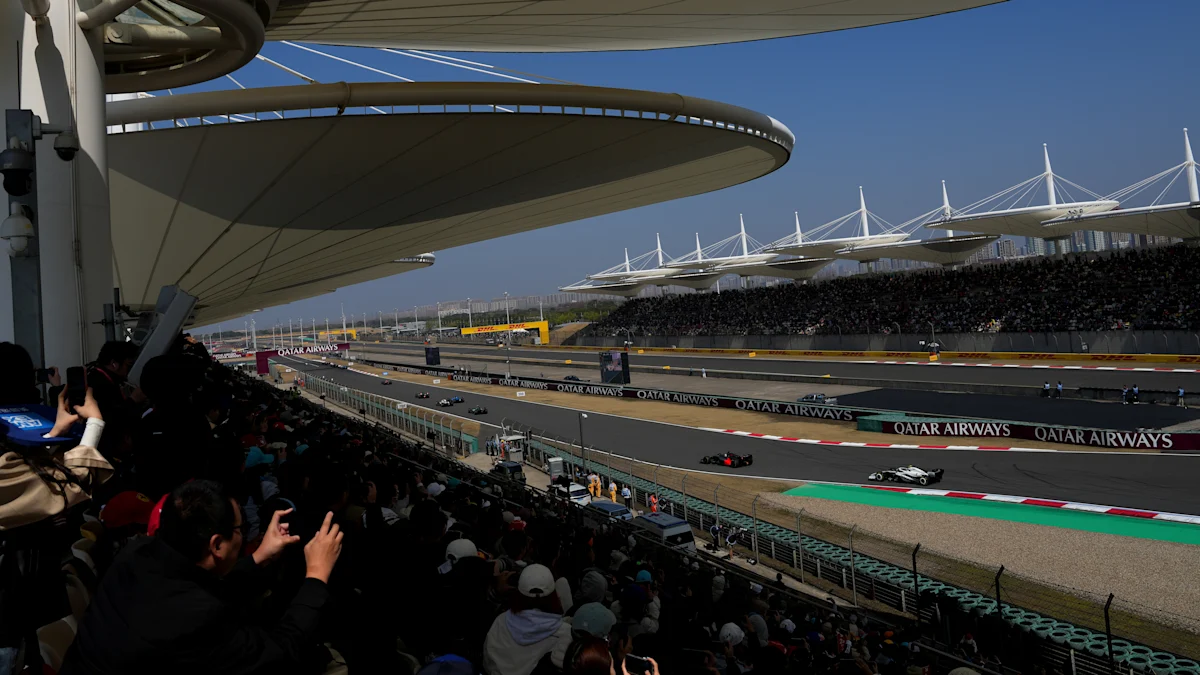
The timing is particularly telling. After just two races of the 2026 season — with the new energy management regulations already causing headaches and McLaren suffering double DNS failures in China — the drivers have clearly seen enough evidence to file their collective grievance.
'When you have 22 drivers agreeing on anything, you know something is seriously wrong'
— Senior paddock source, speaking on condition of anonymity
The Evidence Against the FIA
The charges are threefold: regulatory incompetence, directorial inconsistency, and stewarding chaos. The 2026 technical regulations, hastily implemented despite widespread testing concerns, have produced cars that struggle with energy deployment across the entire grid. Meanwhile, race direction decisions have followed the consistency patterns typically associated with weather forecasts.
The stewarding situation has reached peak absurdity. Penalties are handed out with the randomness of a lottery draw, creating an environment where drivers genuinely don’t know what constitutes acceptable racing anymore. When Pierre Gasly and Nico Hulkenberg — hardly known for their revolutionary tendencies — willingly sign their names to a formal complaint, the system has clearly failed.
What makes this particularly damning is the inclusion of drivers who typically avoid controversy. Lance Stroll, Valtteri Bottas, and Alex Albon aren’t exactly known for leading rebellions, yet they’ve apparently decided the current situation is untenable enough to risk potential FIA retaliation.
The Rookie Perspective
The most telling signature may belong to Arvid Lindblad, the 18-year-old Racing Bulls driver experiencing his first taste of Formula 1 politics. When someone who’s driven exactly two F1 races feels compelled to challenge the sport’s governing body, it suggests the problems are immediately obvious rather than the result of accumulated frustration.
For context, Lindblad has witnessed Kimi Antonelli’s brilliant maiden victory in China, seen Max Verstappen’s Red Bull fail mechanically, and watched McLaren’s championship-winning team unable to even start the race due to electrical gremlins. His F1 education has included a masterclass in both exceptional driving and systematic dysfunction.
Here’s what genuinely impresses me: despite the circus surrounding them, these drivers continue to deliver spectacular racing. Antonelli’s China victory was a masterpiece of racecraft from a 19-year-old, while the battle for the remaining podium spots showcased exactly why F1 remains the pinnacle of motorsport. The fact that they can produce such entertainment while simultaneously dealing with regulatory chaos speaks to their exceptional professionalism.
The Path Forward
The FIA now faces a choice: acknowledge the systemic issues and implement meaningful reform, or dismiss the concerns and risk further escalation. Given that this letter represents approximately $500 million worth of contracted talent expressing unanimous dissatisfaction, the smart money suggests they’ll at least pretend to listen.
The requested independent review into stewarding consistency is particularly shrewd. By demanding external oversight, the drivers have essentially called the FIA’s bluff on their claims of fair and consistent officiating. Either the review confirms their concerns, or the FIA proves their stewarding is actually competent — a win-win scenario for the drivers.
What happens next will determine whether 2026 becomes remembered as the season when Formula 1’s regulatory framework was finally fixed, or as the year twenty-two drivers discovered that even unanimous dissent can’t overcome institutional stubbornness. The court is now in session, and Mohammed Ben Sulayem is very much in the dock.