Maurizio Arrivabene wants back in.
The former Ferrari team principal, replaced by Fred Vasseur in 2019 after a series of strategic disasters that made a chocolate teapot look functional, has begun making noises about returning to Formula 1. His timing is impeccable — just as his successor delivers Lewis Hamilton his first Ferrari podium in China.
The Comeback Tour Begins
Speaking to Sky Italia, Arrivabene deployed the classic fired executive playbook: measured confidence mixed with barely concealed desperation.
'The sport needs experienced leadership. I have things to offer. When the right opportunity comes, I will be ready.'
— Maurizio Arrivabene, Sky Italia interview
Translation: please, someone hire me.
The Italian spent seven years away from the paddock after his Ferrari tenure imploded spectacularly. His final season featured Sebastian Vettel spinning more than a washing machine and strategic calls that made throwing dice seem sophisticated. The 2018 championship collapse remains a masterclass in how to snatch defeat from the jaws of victory.
What Vasseur Actually Delivered
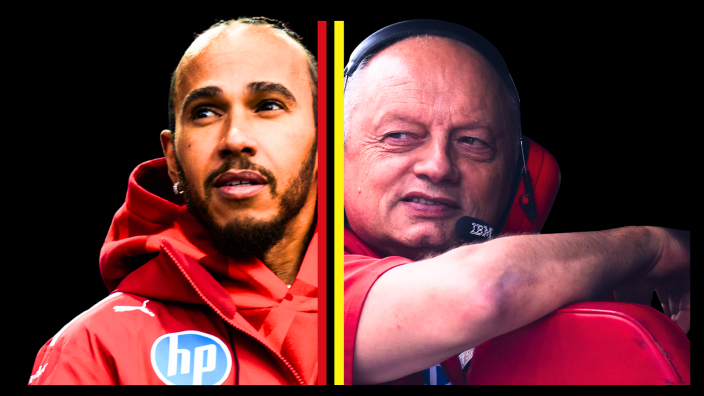
Meanwhile, Fred Vasseur continues doing what Arrivabene never managed: making Ferrari functional.
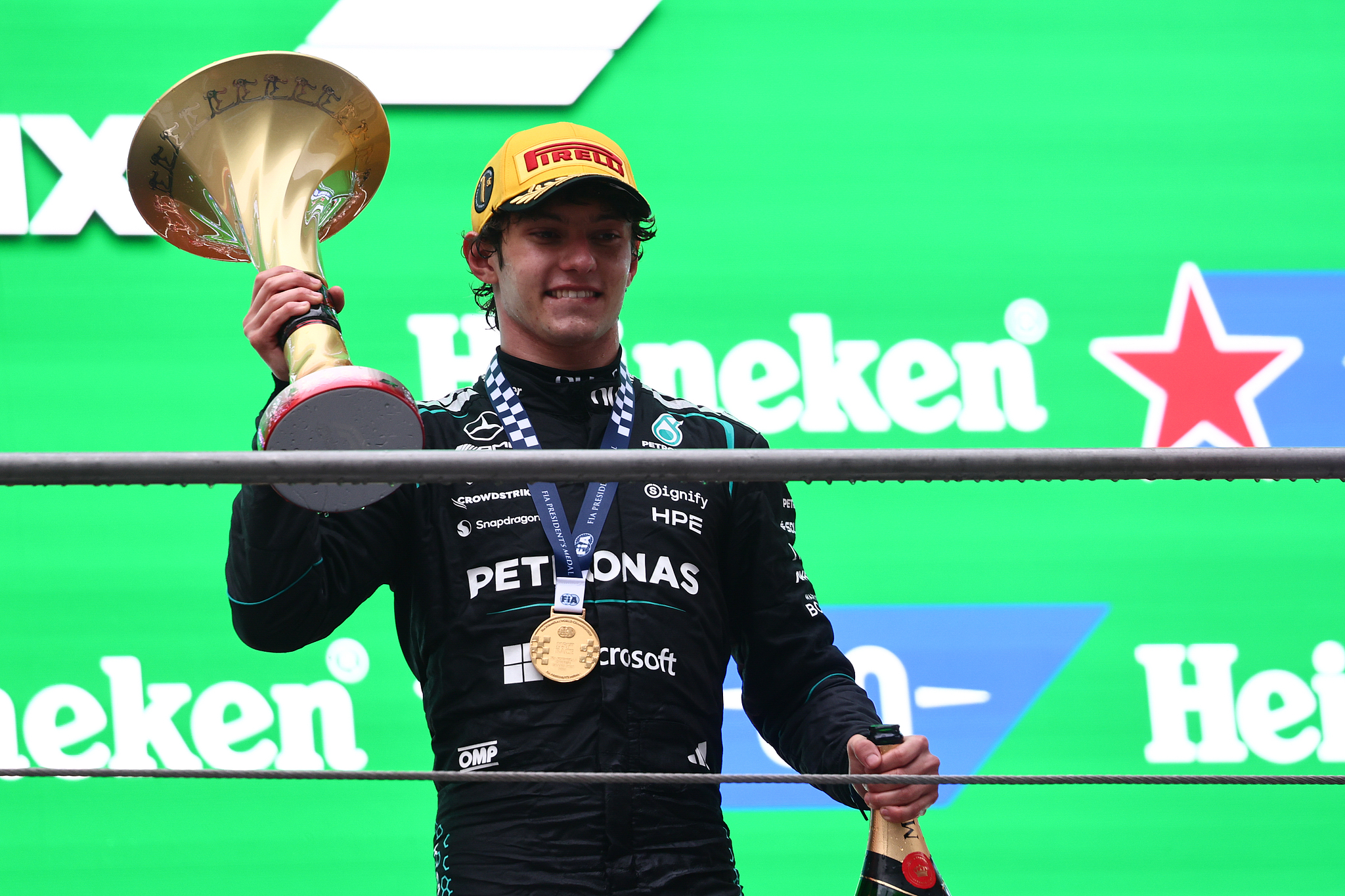
Hamilton’s P3 finish in China marked his first Ferrari podium, achieved through precisely the kind of strategic competence that eluded his predecessor. While Kimi Antonelli claimed his maiden victory and Mercedes celebrated a 1-2, Ferrari extracted maximum points from a weekend where they lacked raw pace.
The contrast is stark. Vasseur inherited the same Maranello politics and delivered Hamilton to the team within five years. Arrivabene inherited peak Vettel and somehow managed to waste it entirely.
The Paddock Reality Check
Arrivabene’s comeback hints arrive at an interesting moment. The expanded 22-car grid means more opportunities, with Cadillac’s entry creating fresh dynamics. Several teams face leadership questions as regulations bedding-in period reveals organizational strengths and weaknesses.
But here’s the thing about Formula 1: it remembers everything. Arrivabene’s Ferrari legacy isn’t just about results — it’s about how those results were achieved. The strategic blunders, the internal politics, the inability to maximize arguably the sport’s most talented driver lineup of that era.
His experience is genuine. Seven years running one of F1’s most demanding operations teaches lessons that can’t be learned elsewhere. The pressure of Maranello, the media scrutiny, the expectation management — these are skills that transfer to any competitive environment.
Yet the sport has moved on. The current grid features team principals who understand modern F1’s technical complexity and commercial realities in ways that weren’t necessary during Arrivabene’s tenure. The energy deployment issues plaguing the 2026 regulations demand technical leadership that his cigarette company background didn’t necessarily prepare him for.
The Waiting Game
Arrivabene’s public positioning suggests he’s testing the waters rather than responding to concrete offers. Smart move. The paddock musical chairs typically begin mid-season, and establishing availability early creates options.
Whether anyone bites remains another question entirely. Formula 1 loves a redemption story, but it loves winning more. Vasseur’s early success with Hamilton demonstrates what competent Ferrari leadership actually looks like.
The former Marlboro man may want back in, but wanting and deserving rarely align in this sport.