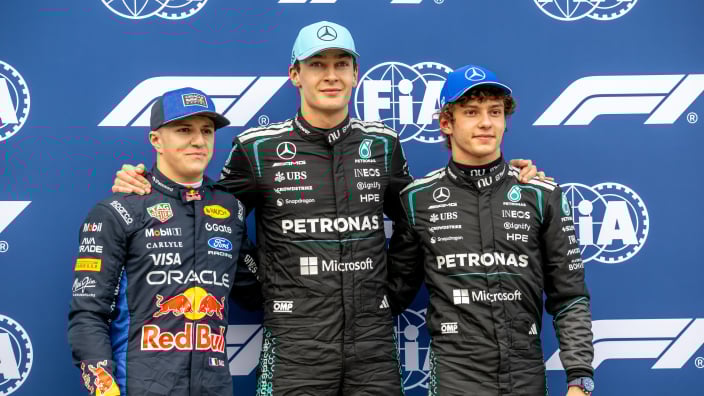
Isack Hadjar told Kimi Antonelli exactly what to do with his apology after their Chinese Grand Prix sprint incident. The Red Bull Racing driver wasn’t interested in pleasantries.
Onboard footage from the post-sprint cooldown lap revealed the moment Antonelli attempted to make amends over the radio, only for Hadjar to shut down the Mercedes driver’s olive branch with surgical precision.
'Keep your sorry, mate. Actions speak louder than words.'
— Isack Hadjar to Kimi Antonelli, post-sprint
The Art of the Non-Apology Apology
The incident occurred on lap 14 of the sprint when Antonelli, running fifth, attempted an ambitious move on Hadjar at Turn 6. Contact ensued. Hadjar spun. Antonelli continued, eventually finishing fourth while the Red Bull driver dropped to eighth.
Standard procedure dictates a quick “sorry about that” over the radio. Antonelli followed protocol. Hadjar rewrote it.
The exchange highlights something genuinely fascinating about F1’s current crop of young drivers. These aren’t seasoned veterans playing politics or calculating championship implications. Hadjar is 21, Antonelli just turned 20. They’re operating on pure competitive instinct, unburdened by the diplomatic niceties that typically govern paddock relationships.
When Sorry Becomes an Insult
Hadjar’s rejection wasn’t just about the incident itself. The Red Bull driver has been under intense scrutiny since his promotion from Racing Bulls, where he impressed with 51 points and a podium in his rookie 2025 campaign. Every mistake gets magnified. Every missed opportunity questioned.
Antonelli, meanwhile, sits pretty at Mercedes after his stunning Chinese GP victory the day after this sprint incident. At 19, he became the second-youngest race winner in F1 history. The contrast in trajectories couldn’t be starker.
'He can apologise all he wants. Won't change the result.'
— Hadjar to Red Bull pit wall, lap 15
The New Generation’s Rules
This exchange reveals something refreshing about F1’s youngest cohort. They haven’t learned to hide behind corporate speak or manufactured rivalries. The animosity feels authentic, unfiltered by years of media training and championship calculations.
Hadjar’s response wasn’t calculated for maximum drama or social media engagement. It was the reaction of a competitor who felt wronged and wasn’t interested in accepting hollow gestures. In a sport increasingly sanitised by PR departments and corporate interests, such unvarnished emotion stands out.
The footage suggests this rivalry has legs. Both drivers represent the future of their respective teams. Both carry the weight of enormous expectations. Neither seems particularly interested in making friends.
Antonelli went on to claim his maiden victory 24 hours later. Hadjar finished eighth again, this time without incident. The apology remains outstanding.