The 2026 Formula 1 regulations have produced cars that struggle with energy management, unpredictable aero behavior, and reliability issues that knocked McLaren out of China entirely. Naturally, Toto Wolff thinks they’re brilliant.
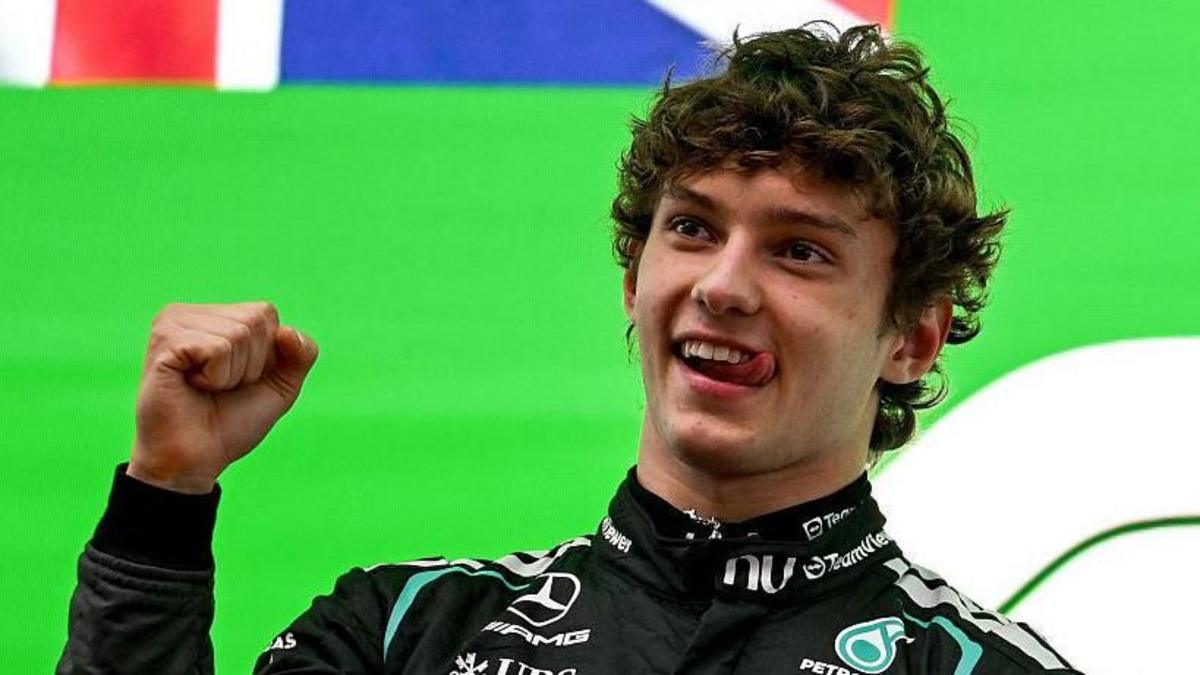
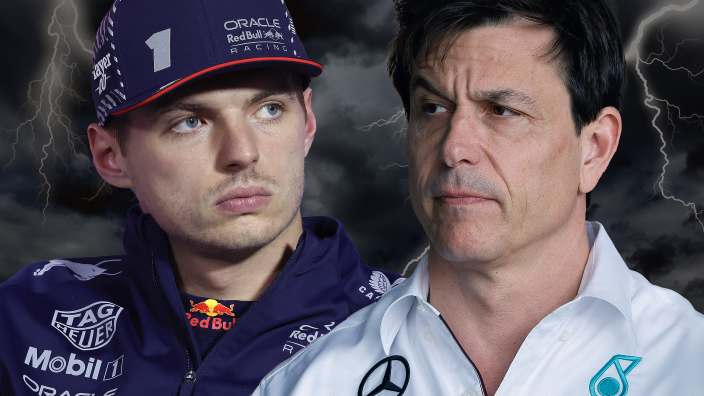
Mercedes’ team principal has chosen this moment—three races into a season where his young driver Kimi Antonelli claimed a maiden victory while Max Verstappen parked his Red Bull with mechanical failure—to declare that criticism of the new technical package is misguided. Specifically, he’s targeting Verstappen’s assessment that the 2026 cars represent a “horror show” for competitive racing.
The Art of Perfect Timing
Wolff’s defense comes as the sport grapples with a calendar already missing two races due to Middle East conflicts and featuring a bizarre five-week gap between Australia and the European rounds. The new energy management rules have created a situation where drivers spend as much time managing battery deployment as actually racing, while the aero changes have produced cars that lose significant downforce in dirty air—precisely what the regulations were meant to avoid.
'These cars are not the horror show some people claim. We're seeing exciting racing with different winners.'
— Toto Wolff, Mercedes Team Principal
The Mercedes boss points to the unpredictability as evidence of success. Three different winners in three races, he argues, proves the regulations are working. That these winners emerged partly through mechanical failures and energy management lottery tickets rather than pure pace differential appears beside the point.
When Verstappen Calls It Wrong
Credit where it’s due: watching a 19-year-old Antonelli thread his W17 through the chaos at Shanghai to claim his first victory was genuinely compelling television. The kid drove with precision beyond his years, managing both the tricky energy deployment windows and the aero wash from the cars ahead with the kind of racecraft that usually takes seasons to develop.
Verstappen’s retirement robbed us of seeing how the reigning champion would have adapted to the new technical challenges, but his criticism stems from legitimate concerns about driver input versus system management. The 2026 cars require constant attention to battery state, deployment strategies, and energy harvesting optimization—skills that favor engineers as much as drivers.
The Regulatory Reality Check
The FIA’s 2026 vision promised closer racing through simplified aero and enhanced energy recovery. Three races in, we have cars that are undoubtedly closer on pace but struggle to follow each other through medium and high-speed corners. The energy management systems create artificial performance windows that can transform a midfield runner into a front-runner for precisely 4.2 seconds per lap.
McLaren’s double DNS at China highlighted another concern: the increased electrical complexity has introduced failure modes that didn’t exist under the previous regulations. When your entire energy recovery system fails, you don’t just lose performance—you lose the ability to compete entirely.
Both Wolff and Verstappen are partially correct. The racing is unpredictable, which creates entertainment value. The cars are also compromised in ways that reduce the premium on pure driving skill. Whether you consider this progress depends entirely on what you value in Formula 1: spectacle or sporting purity.
The 2026 season will likely be remembered for its disruption rather than its innovation. That might be exactly what the sport needed, even if nobody wanted to admit it.