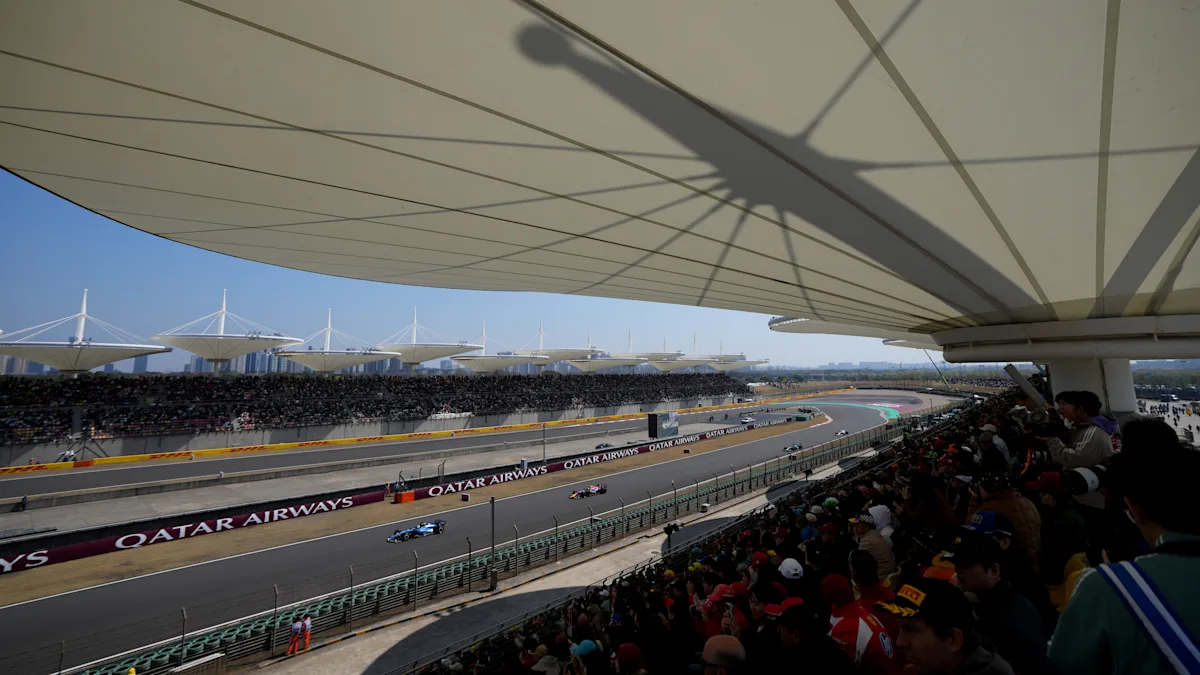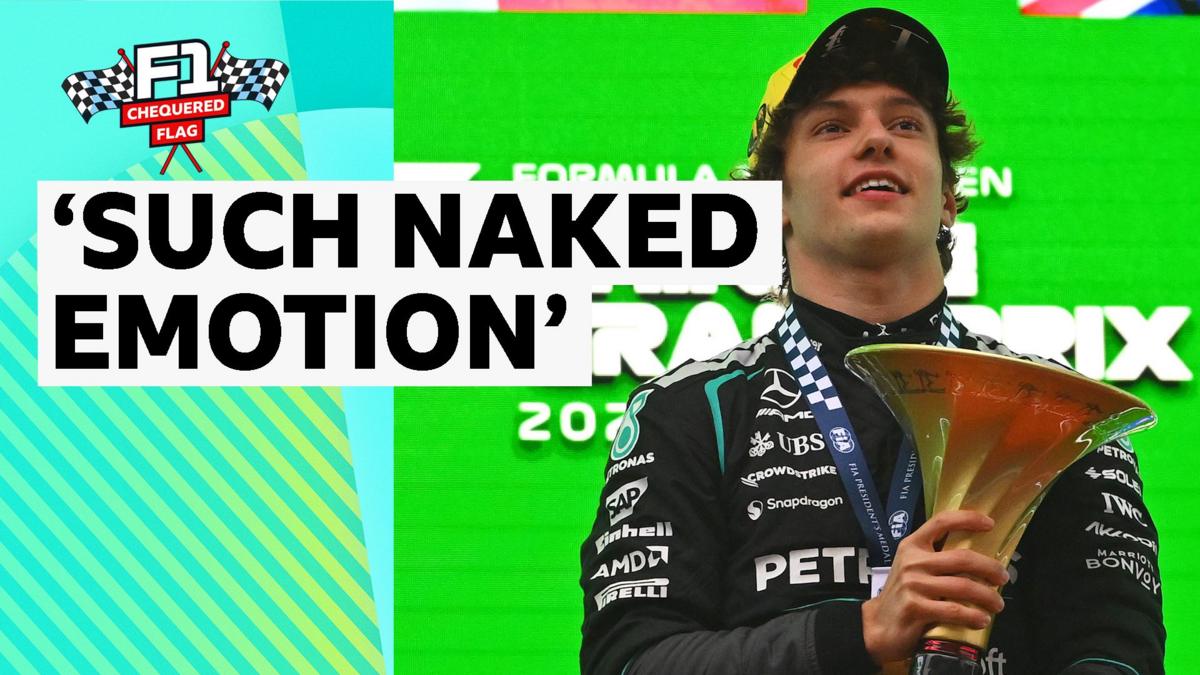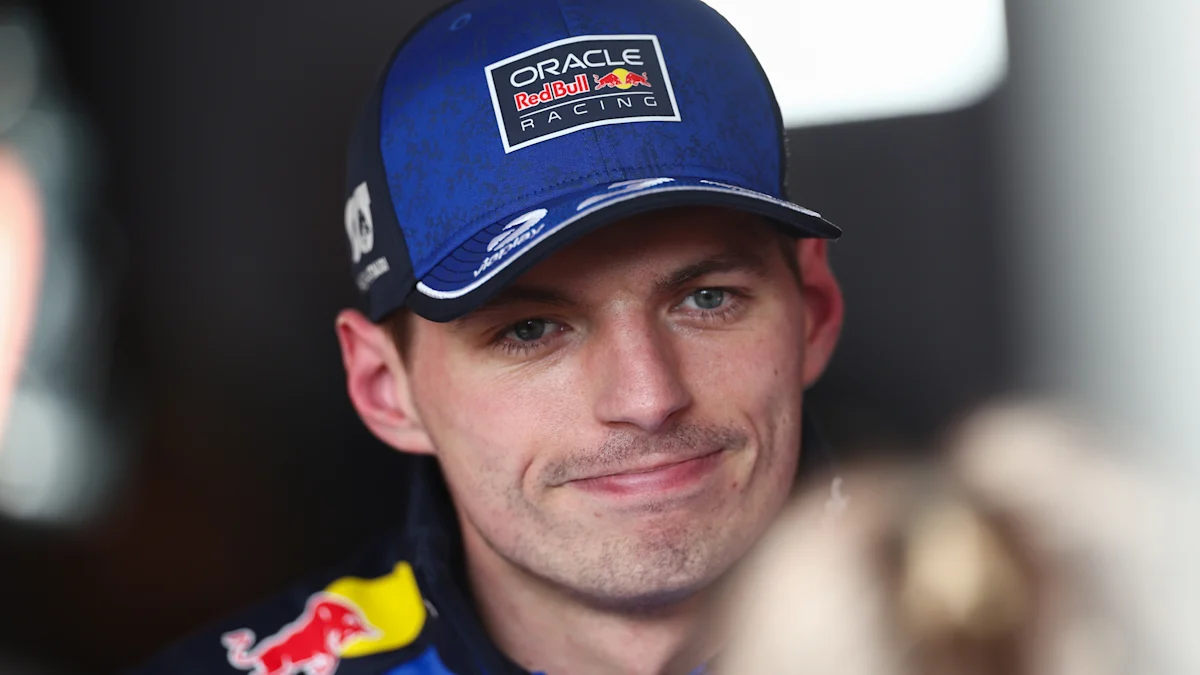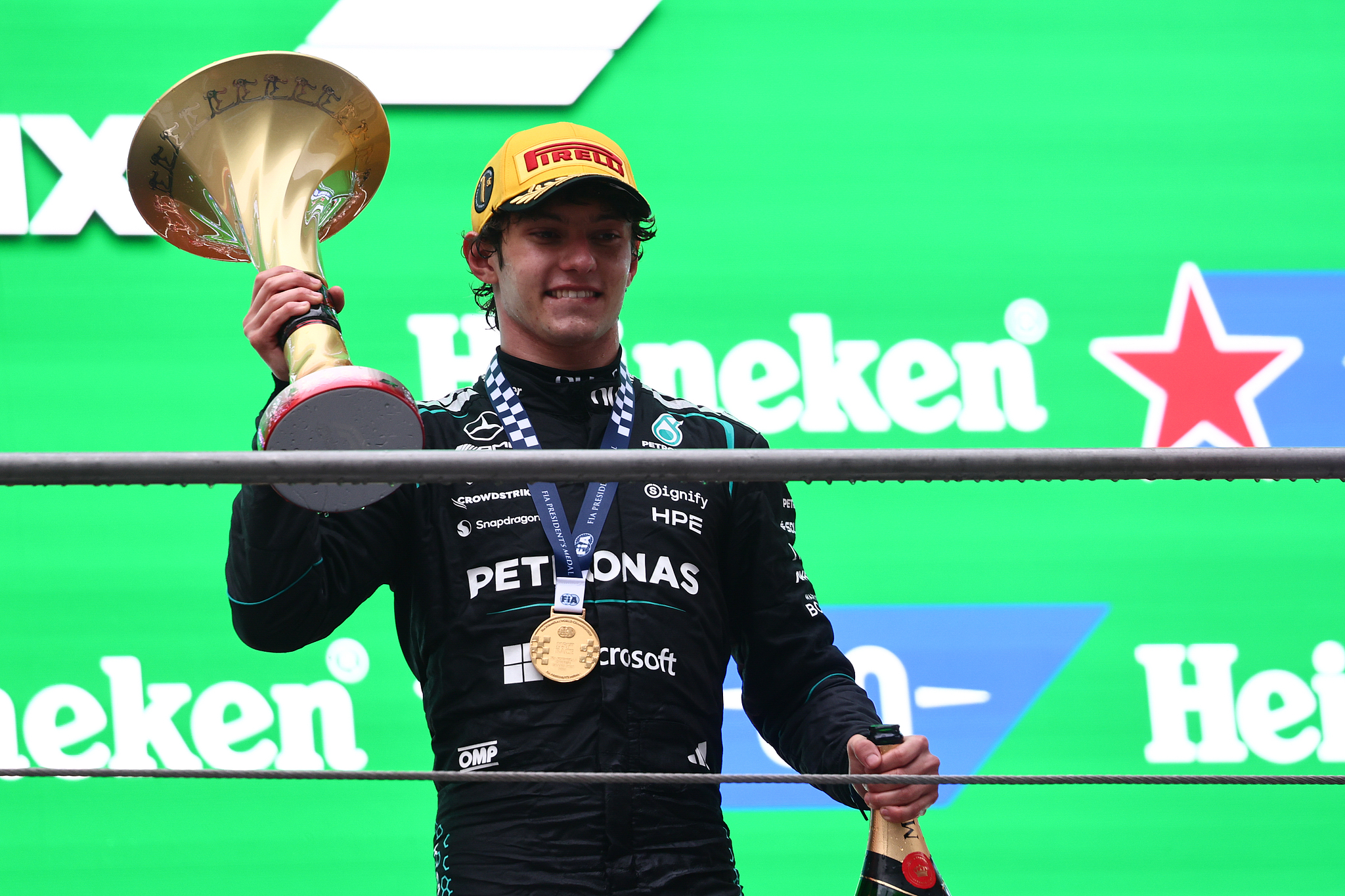
Sometimes F1 gives you a race so dumb it feels scripted, and then sometimes it gives you Shanghai 2026: a 19-year-old winning from pole while half the field either doesn’t start or doesn’t finish. Antonelli converts pole into a first win with the emotional range of someone ordering a coffee, Mercedes walk away with a 1-2, Ferrari somehow manage to be both competent and frustrating, and Red Bull’s “era of domination” now looks more like “era of hoping the car holds together.” So yes, we are checking the strategy calls that actually decided this thing, underneath all the chaos and memes.
Case 1 — Antonelli’s One-Stop: When The Rookie Is The Adult In The Room
On paper, a one-stop in cool conditions at Shanghai is asking for trouble: long stints, front-right torture, and a back straight that punishes any traction weakness. Antonelli and Mercedes went for exactly that — commit early to a one-stop, manage the pace, and use clear air rather than track position games as the primary weapon.
The key moment is his Turn 14 lock-up while leading: he flat-spots the tyre enough to give Toto a minor heart attack, runs deep, but crucially doesn’t trigger a panic stop or flip the whole plan into a messy two-stop. He backs off just enough to keep the tyres alive while Russell isn’t close enough to force Mercedes into an internal war.
'Kimi, tyres are looking good, keep doing what you're doing. Gap is stable.'
— Mercedes Race Engineer, Lap 38
Verdict: Giga-Brain — The actual strategy here isn’t the one-stop, it’s the discipline to stay on it after the mistake. Most rookies turn that moment into a full meltdown. Antonelli turned it into a “massive lesson” and still controlled the race.
Case 2 — Mercedes’ Pit Windows: Protect The 1-2, Not Just The Win
Mercedes’ race wasn’t just “car fast, driver good.” The way they timed the stops tells you exactly what they were optimising for.
- They kept Antonelli out of traffic whenever possible, even if it meant not covering every Ferrari move instantly.
- They gave Russell enough offset to attack Hamilton and Leclerc without ever putting Antonelli inside an undercut window.
That’s a subtle but important point: instead of playing pure defence against Ferrari, they played risk management inside their own garage — securing the 1-2, not gambling for style points. No “let the kid through” drama, no weird split strategies that open the door to a late safety car nightmare.
Verdict: Giga-Brain — This is Mercedes finally remembering what they used to be: boringly efficient. When the fastest car also has the most coherent race plan, everyone else is basically fighting for screenshots, not trophies.
Case 3 — Ferrari: Race Pace Is Real, Ambition… Less So
Ferrari’s P3-P4 is not a meme result for once — the car actually has race pace, especially over long stints in cooler conditions. Hamilton’s podium and Leclerc right behind show the baseline is there to at least annoy Mercedes when things get messy.
The problem is how they used that pace. They shadowed the Mercedes windows without ever fully committing to an aggressive undercut or tyre offset that would force Brackley to react. In a race where DNFs and DNSs blew the field wide open, Ferrari played “secure the points” instead of “blow the doors off Russell and see what happens.”
'We are looking at the options, stay out for now.'
— Ferrari Pit Wall to Leclerc, Lap 29
Verdict: We Are Checking Why They Didn’t Push Harder — For once, Ferrari didn’t sabotage themselves with clown-tier calls. They just refused to roll the dice when the board was tilted in their favour. It’s progress, but it’s not how you beat a team that just rediscovered front-running.
Case 4 — Red Bull: When Reliability Is The Strategy
Max’s retirement isn’t just an isolated bad day; it’s part of a pattern where Red Bull’s margin on performance has evaporated while reliability has quietly gone on holiday. Multiple teams suffered terminal issues in Shanghai, but Red Bull can least afford to be in that club now that Mercedes are winning on pace, not safety cars.
From a strategy point of view, the brutal truth is this: once you don’t trust the car, every call becomes conservative by default. You can’t stretch stints, you can’t run aggressive engine modes for long, and you definitely can’t count on “we’ll just pass them on track later” if “later” might end with your car parked at the side of the road.
Hadjar’s P8 is the perfect illustration — all brain, zero margin. His race is essentially “survive the attrition, don’t break the car, and cash whatever points fall out of the sky.” That’s fine for a junior, it’s catastrophic optics for a supposed title-winning operation.
Verdict: Why? — At this point, Red Bull don’t need a new strategist, they need an exorcist. Until the car stops eating itself, their strategy department is just doing triage.
Case 5 — The DNS/DNF Lottery And The Midfield That Actually Showed Up
Four cars didn’t even start, a handful more didn’t see the flag — which turned the race into an efficiency test for whoever did stay running. Lawson’s points for RB and Bearman/Gasly-type results in that midfield cluster aren’t heroic drives out of nowhere; they’re the logical outcome of teams who built Sunday around staying in the game while others gambled and broke.
Strategically, the winning midfield pattern in Shanghai was:
- Prioritise reliability-friendly engine modes.
- Don’t chase every early safety-car “free” stop if it wrecks your tyre life.
- Extend when others panic pit, then attack late while the grid is thinned out.
Verdict: Giga-Brain On A Budget — In a race where a third of the grid was busy DNFing or DNSing, the smartest move was simply to build a strategy assuming chaos… because chaos showed up on time.