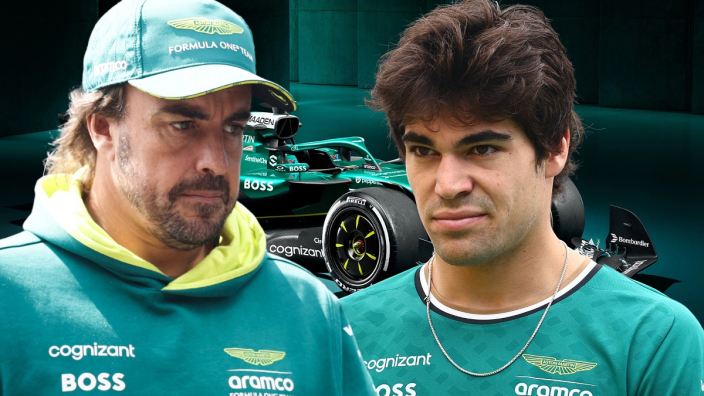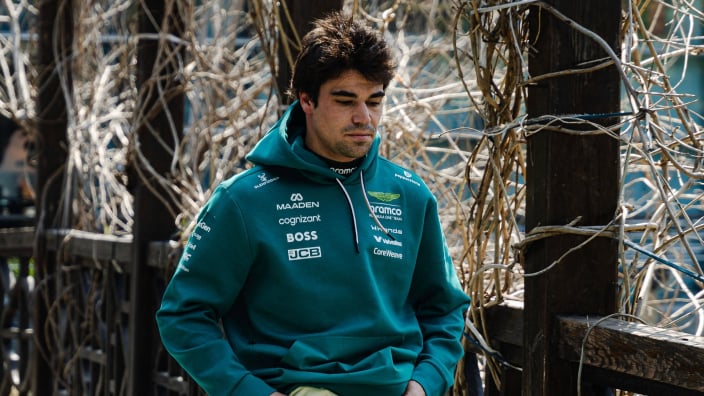
There’s something beautifully tragic about watching a man’s soul leave his body in real time. Lance Stroll stood in the Shanghai paddock after qualifying, microphone thrust toward his face, and you could see the exact moment his brain decided that words — those pesky little building blocks of human communication — were simply too much effort for what Aston Martin had just put him through.
The interview lasted approximately fifteen seconds. Nine words total. All of them “NO.”
The Art of Saying Nothing While Saying Everything
'NO. NO. NO. NO. NO. NO. NO. NO. NO.'
— Lance Stroll, Post-Qualifying Interview
The questions were standard fare: “Lance, how did that feel out there?” NO. “Can you tell us about the car’s balance?” NO. “Any hope for tomorrow’s race?” NO. Each response delivered with the emotional range of someone who’s just watched their dreams get fed through a paper shredder, which, to be fair, is probably exactly what happened during that qualifying session.
Aston Martin managed to qualify both cars outside the points-paying positions, which would be disappointing enough if this were 2023. But this is 2026, two races into what was supposed to be their championship-challenging campaign. The new energy management regulations have turned their once-promising car into what appears to be a very expensive, very green paperweight.
When Reality Hits Harder Than a Concrete Barrier
The truly painful part isn’t just that Stroll couldn’t find words — it’s that you completely understand why. When you’re sitting in a car that’s supposed to be fighting for podiums but instead feels like it’s actively trying to murder you through every corner, what exactly are you supposed to say? “Oh yes, the understeer into Turn 6 was simply delightful, really brought out the best in my driving”?
The 2026 regulations were meant to level the playing field, but they’ve instead created a hierarchy where some teams are playing chess while others are apparently playing with crayons. Aston Martin, despite all their investment, all their facilities, all their promises, find themselves firmly in the crayon category.
And honestly? There’s something refreshingly honest about Stroll’s approach here. In a sport where drivers are trained from childhood to find positive spin for even the most catastrophic weekends, watching someone just… give up on the charade feels almost revolutionary. No corporate speak, no “we’ll analyze the data and come back stronger.” Just pure, unfiltered defeat.
The Silence Speaks Volumes
What makes this particularly fascinating is that Stroll isn’t typically known for being difficult with media. He’s usually perfectly professional, if not particularly quotable. This wasn’t a calculated media strategy or some kind of protest — this was a man who had simply reached the absolute limit of what his brain could process.
The interviewer, bless their professional heart, tried valiantly to extract something, anything, resembling an actual response. But when your car has just demonstrated the aerodynamic properties of a refrigerator and the speed of a particularly lethargic tortoise, what positive spin can you possibly put on that?
Meanwhile, up at the front, 19-year-old Kimi Antonelli was celebrating his maiden F1 victory while Max Verstappen’s retirement meant the championship fight remains wide open. But down in the Aston Martin garage, they’re probably wondering if their cars will even make it to the finish line tomorrow, let alone compete for points.
The five-week gap before the European races suddenly feels like both an eternity and not nearly long enough to fix whatever fundamental issues have turned their championship hopes into a very public disaster. Sometimes the most honest response to complete failure isn’t explanation or excuse-making — it’s just acknowledging that words themselves have become inadequate.
Nine words. All “NO.” Somehow, it said everything.