Zero points from four possible scoring opportunities across two weekends. That’s Aston Martin’s return on investment from their Honda partnership so far in 2026, and judging by Honda’s latest statement, the Japanese manufacturer wants everyone to know exactly where they think the blame lies.
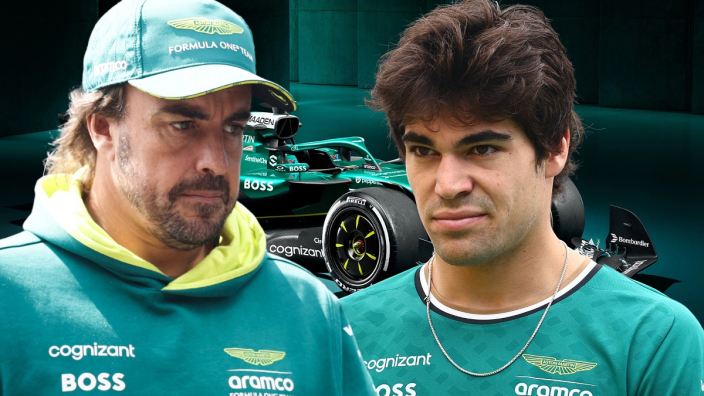
Following both Fernando Alonso and Lance Stroll’s retirements from the Chinese Grand Prix—the second consecutive double DNF for the Silverstone squad—Honda released what can only be described as the corporate equivalent of a passive-aggressive roommate note left on the fridge.
The Art of Not Saying What You’re Actually Saying
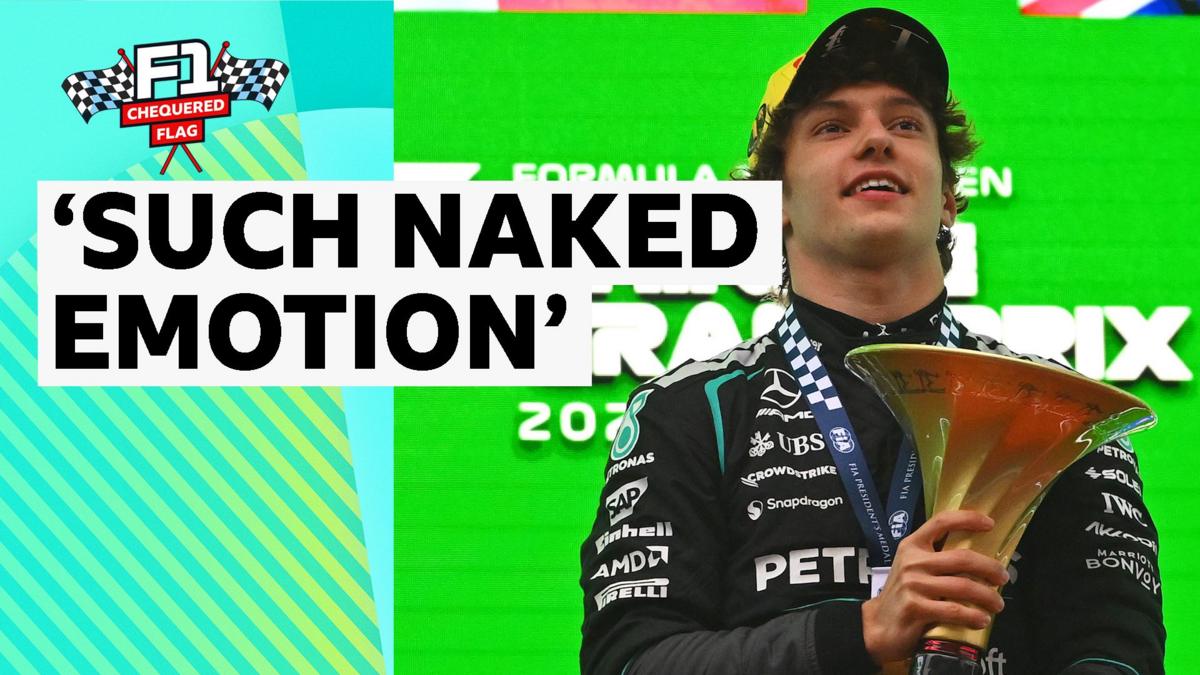
Honda’s statement, released three hours after the chequered flag fell on Kimi Antonelli’s maiden victory, was a masterpiece of diplomatic finger-pointing. The key phrase: “The power unit operated within all specified parameters throughout the session and delivered consistent performance metrics aligned with our pre-race projections.”
Translation: our engines were fine, thanks for asking.
The statement continued with technical specifications about oil pressure, ERS deployment cycles, and cooling system performance—essentially a 200-word way of saying “have you tried turning your entire car off and on again?”
'The car just shut down. Everything just died. I don't understand what happened.'
— Fernando Alonso, Lap 31 retirement
When Corporate Politeness Becomes Performance Art
Honda’s technical director made sure to mention that their power units “continue to demonstrate reliability benchmarks consistent with our internal targets.” This after watching both Aston Martins park up within six laps of each other, joining Max Verstappen and both McLarens in the Shanghai retirement lounge.
The timing of Honda’s statement—released before Aston Martin had even issued their own post-race analysis—speaks volumes about the relationship dynamics. It’s the engineering equivalent of your partner announcing to dinner guests that they definitely remembered to lock the front door, moments after discovering it wide open.
Mike Krack’s post-race media session painted a different picture, with the team principal citing “multiple system failures that appear to be cascading from an initial electrical fault.” Honda’s statement made no mention of electrical systems, focusing instead on power unit telemetry that showed “nominal operation throughout both affected sessions.”
The Numbers Don’t Lie (But They Don’t Tell the Whole Story Either)
Here’s what we know from the data: both Aston Martins were running competitive lap times before their retirements. Alonso was holding P8 with a 1.2-second gap to Russell behind, while Stroll sat in P12 but on fresher tyres with an undercut opportunity approaching.
The failures weren’t gradual—both cars experienced what telemetry described as “instantaneous system shutdown,” which typically indicates electrical rather than mechanical issues. Honda’s emphasis on mechanical reliability metrics starts to look like answering a question nobody asked.
What’s genuinely concerning for Aston Martin is the pattern. Four DNFs from four starts suggests systemic integration issues between Honda’s 2026-spec power unit and Aston Martin’s new chassis architecture. The 2026 regulations introduced significant changes to energy management protocols, and it appears the marriage of Japanese engineering and British chassis design hasn’t found harmony yet.
Corporate Relationships in the Piranha Club
Honda’s public positioning reflects broader tensions within F1’s power unit supply chain. With only four manufacturers servicing ten teams, every reliability issue becomes a political football. Honda supplies only Aston Martin in 2026, making this partnership crucial for their F1 credibility after their successful stint with Red Bull Racing.
The statement’s defensive tone suggests Honda’s engineers are genuinely confident in their hardware, which raises uncomfortable questions about Aston Martin’s integration work. If Honda’s data shows their power units operating normally right up until the cars stopped, the fault likely lies in the handoff between power unit and chassis systems—firmly in Aston Martin’s domain.
For a team that spent the off-season talking up their “revolutionary” approach to the new regulations, starting the season with four consecutive DNFs represents a spectacular failure of execution. Honda’s willingness to publicly distance themselves suggests they’re not confident things will improve quickly.
The Chinese Grand Prix was supposed to mark Aston Martin’s return to competitiveness after a disappointing 2025. Instead, it’s become another chapter in F1’s long history of partnerships that look perfect on paper but crumble under racing conditions. Honda’s statement might be diplomatically worded, but the message is crystal clear: this one’s not on us.