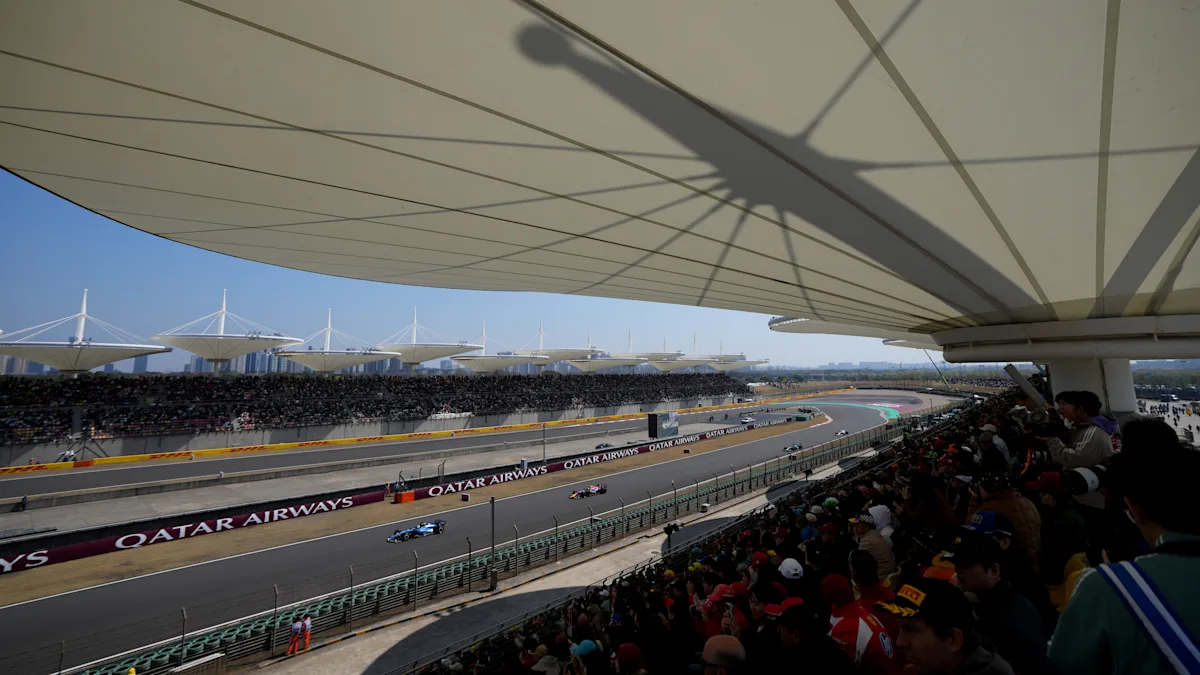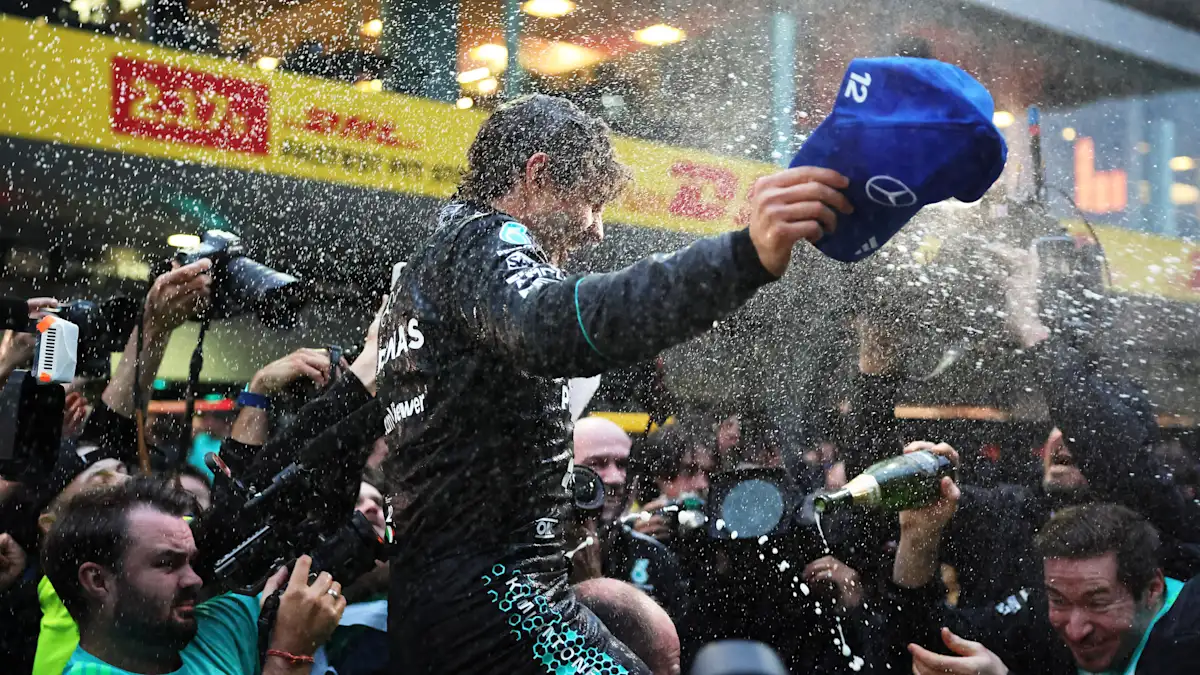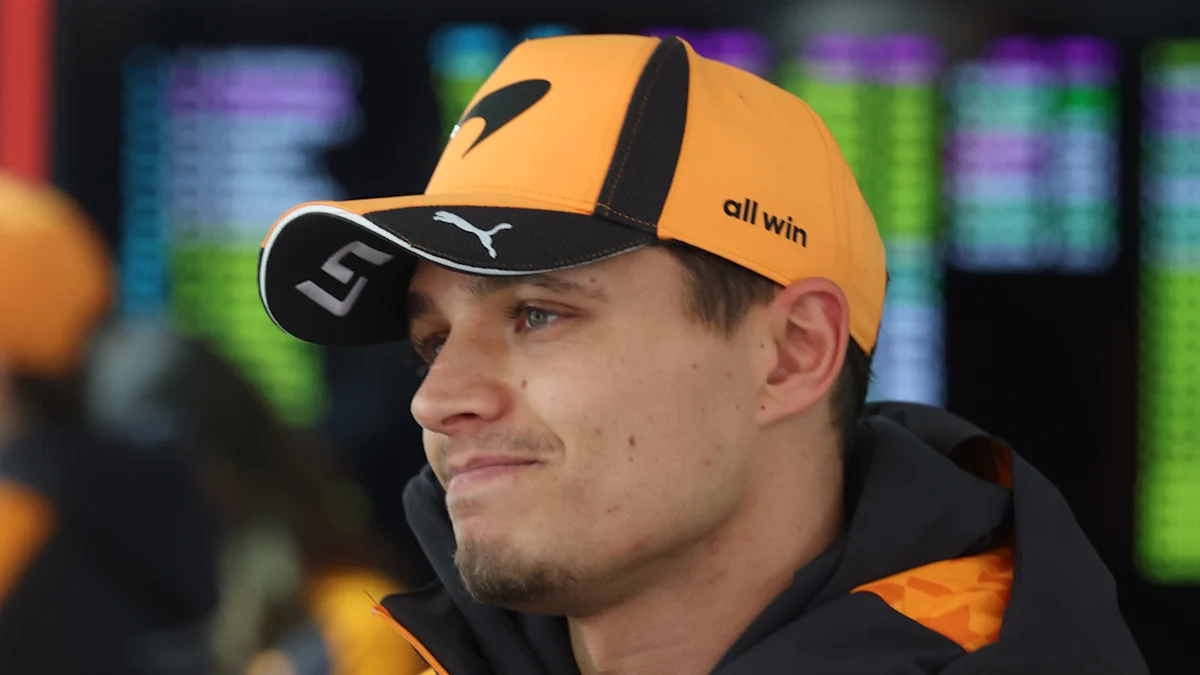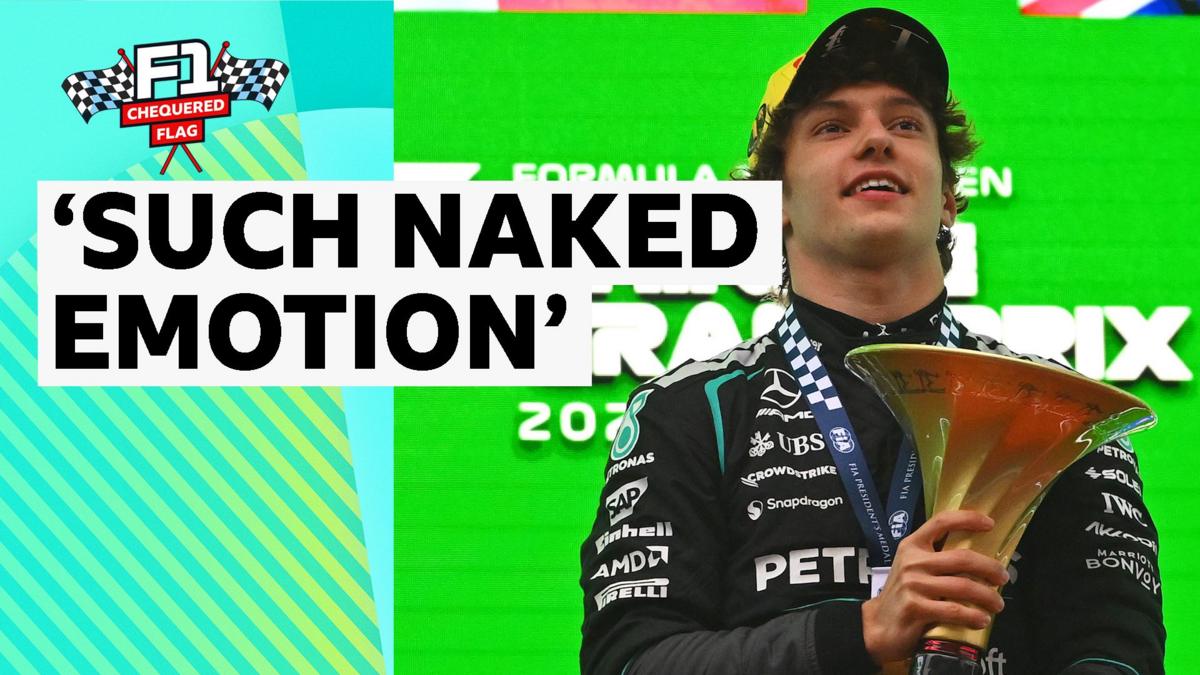
The F1 paddock has officially discovered its new favourite performance indicator: how many tears can one victory produce? Kimi Antonelli’s Chinese Grand Prix win at 19 years old has apparently broken some sort of emotional floodgate record, with seasoned journalists, team personnel, and half the grid reduced to waterworks watching the Italian kid sob into his helmet.
Andrew Benson called it “lovely to see” - which is peak BBC diplomacy for “I may have gotten something in my eye during that podium ceremony.” The victory is being hailed as “as big as it comes” for a young driver, though one wonders if that’s measuring the win itself or the collective emotional response it generated.
When Tears Become Currency
The post-race scenes were something else entirely. Antonelli, barely able to string together coherent sentences through his tears, managed to thank everyone from his race engineer to what sounded like his primary school teacher. Meanwhile, grown men with decades of motorsport experience were dabbing their eyes and pretending it was just the Shanghai smog.
'I cannot believe this is happening. Thank you, thank you everyone.'
— Kimi Antonelli, through tears on team radio
The kid drove a flawless 56 laps, managed his tyres like a veteran, and pulled off an undercut that would make Valtteri Bottas weep - though apparently everyone was already crying anyway. His gap management in the final stint was textbook stuff, maintaining just enough pace to keep the DRS train at bay while nursing his mediums through the crucial phase.
The Emotional Mathematics of Victory
Here’s what actually happened beyond the waterworks: Antonelli executed a perfect race from P3 on the grid, timing his pit window to perfection and emerging with track position when it mattered. His sector times in the middle stint were consistently 0.2-0.3 seconds faster than his nearest rivals, building the gap that would prove decisive.
The technical execution was genuinely impressive. His tyre management through turns 7-9 complex was mature beyond his years, finding grip where others were sliding wide. When the Safety Car bunched up the field with eight laps remaining, he controlled the restart like someone who’d been doing this for a decade, not someone who probably still gets asked for ID at the paddock bar.
But here’s the thing - and this might be the only sincere paragraph you’ll get from me today - watching a 19-year-old achieve his dream on the biggest stage in motorsport, seeing that raw, unfiltered joy and disbelief, that’s what this sport is actually about. Strip away the politics, the team orders, the corporate messaging, and you get moments like this. Pure, honest emotion from someone who’s just lived their childhood fantasy.
The New Metric System
The paddock’s emotional response suggests we’ve found a new way to measure success in F1. Forget lap times or championship points - it’s all about the tear count now. Antonelli’s victory apparently registered a perfect 10 on the Kleenex Scale, with bonus points for making hardened mechanics question their life choices.
The Italian’s win comes at a time when F1 desperately needs these authentic moments. Between the manufactured drama and corporate speak, seeing genuine emotion - even if it involves more salt water than the Dead Sea - reminds everyone why they fell in love with racing in the first place.
Next week’s Bahrain GP should be interesting. Will Antonelli’s rivals start practicing their crying techniques? Are we about to see the first emotional regulation in the sporting code? At this rate, the FIA might need to introduce mandatory tissue boxes in every garage.
For now, though, the paddock can dry its eyes and acknowledge what actually happened: a supremely talented young driver delivered when it mattered most, executing a race that would have impressed regardless of his age. The tears were just the cherry on top of a very sweet victory.