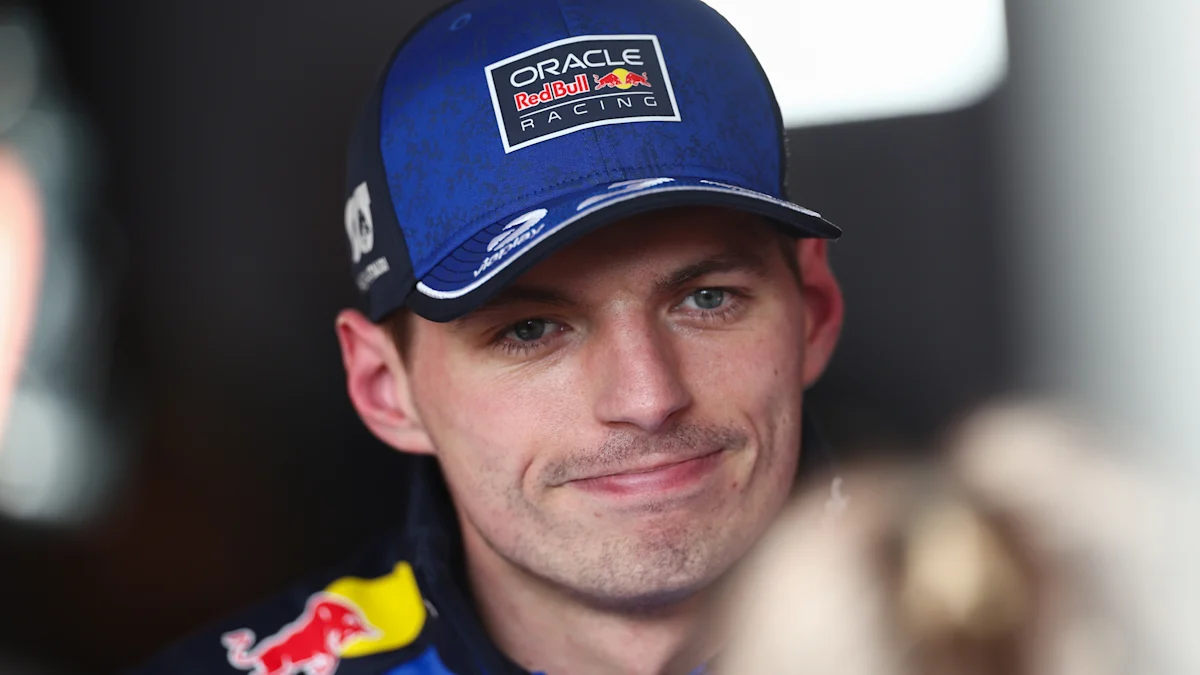
Two races. That’s all it took for Max Verstappen to declare the 2026 Formula 1 regulations “a joke” and storm off like a teenager whose PlayStation has been confiscated. The three-time world champion, who spent the better part of three seasons making the sport look embarrassingly easy, has apparently discovered that adapting to new rules is harder than winning 19 races in a season when your car is basically a rocket ship with wheels.
After his Chinese Grand Prix ended in a cloud of smoke and what can only be described as peak Verstappen petulance, the Red Bull driver delivered a post-race interview that had all the composure of a wet cat. “It’s a joke, honestly,” he fumed, presumably referring to regulations that have the audacity to make racing competitive again rather than the Max Verstappen Victory Parade we’ve grown accustomed to.
The Great Leveler Strikes Back
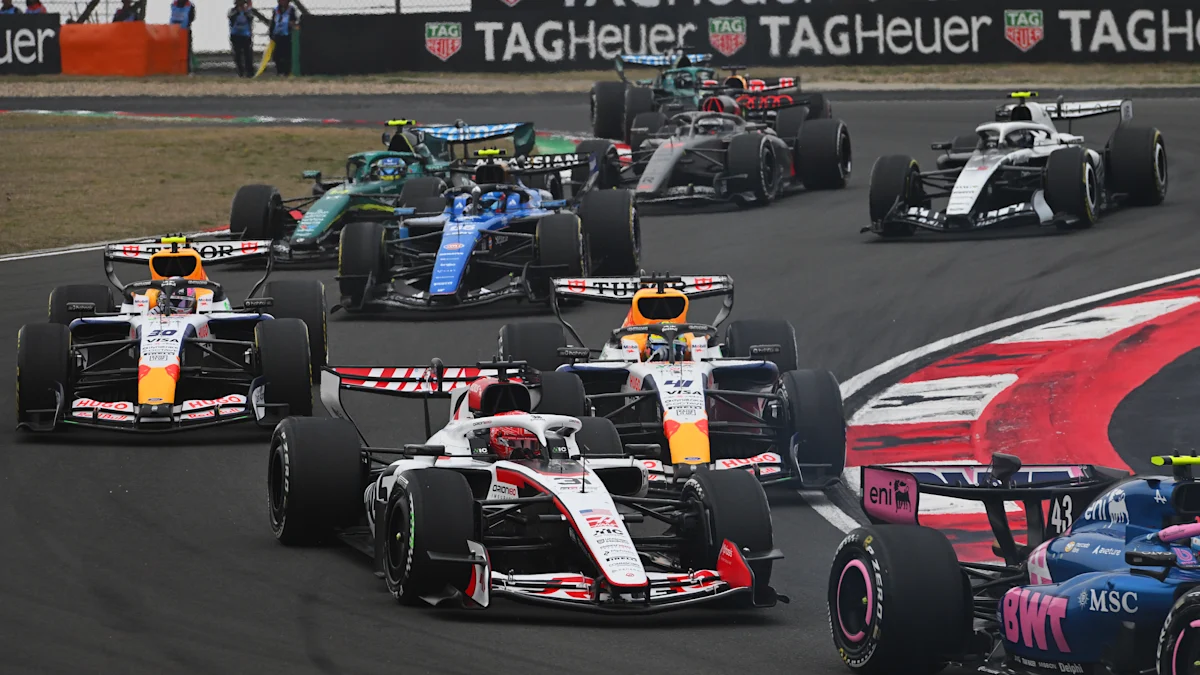
The 2026 technical regulations were specifically designed to shake up the grid, introducing new power unit specifications and aerodynamic restrictions that have fundamentally altered the competitive landscape. What the FIA perhaps didn’t anticipate was how poorly certain drivers would handle the transition from dominance to, well, having to actually race other people.
Verstappen’s DNF in Shanghai came courtesy of what Red Bull described as a “power unit irregularity” – technical speak for “our car broke and now Max is having feelings about it.” The retirement marked his second non-finish in as many races, a statistic that would have been unthinkable during his 2023 season of complete and utter domination.
'These regulations are designed by people who have never sat in a racing car. It's completely different from what we know.'
— Max Verstappen, channeling his inner toddler
The irony, of course, is that Verstappen built his reputation as a generational talent partly on his ability to extract performance from difficult machinery. Remember 2017-2018, when he was wrestling podiums out of cars that had no business being near the front? Apparently, that Max Verstappen has been replaced by someone who thinks competitive regulations are a personal affront to his career trajectory.
When Champions Become Mortals
What we’re witnessing is the fascinating psychological phenomenon of a dominant athlete suddenly having to compete on equal terms. The new power unit regulations have narrowed the performance gap significantly, with early season results showing seven different constructors within a second of pole position. For drivers accustomed to starting races with a built-in advantage, this level of competition requires a different skill set entirely.
The technical challenges are genuine – the 2026 power units operate with completely different energy deployment patterns, and the aerodynamic changes have fundamentally altered how cars behave in traffic. Teams are still learning optimal setup windows, and reliability issues are plaguing several manufacturers as they push development boundaries. But here’s the thing: everyone is dealing with the same challenges.
Ferrari’s Charles Leclerc managed to finish P3 despite struggling with similar power unit mapping issues. Mercedes’ George Russell salvaged points from a car that was, by his own admission, “a handful to drive.” Even Alpine’s Pierre Gasly extracted a solid P6 from machinery that looked genuinely uncompetitive in pre-season testing.
'We need to focus on what we can control. The regulations are the same for everyone.'
— Christian Horner, trying to be the adult in the room
The Verdict: Growing Pains or Growing Concerns?
Verstappen’s frustration is understandable – going from winning 75% of races to struggling for points would test anyone’s patience. But calling the regulations “a joke” just two races into a 24-race season suggests a concerning lack of adaptability from someone we’ve been told is the sport’s next generational superstar.
The 2026 regulations have achieved exactly what they were designed to do: create closer competition and unpredictable racing. If that’s a joke, then perhaps the real punchline is watching a three-time world champion discover that sustained excellence requires more than just a superior car and the ability to manage tire degradation curves.
Formula 1 is better when champions are forced to prove themselves repeatedly. Verstappen’s current struggles don’t diminish his past achievements, but his reaction to those struggles might just reveal whether he’s truly the adaptable genius we thought he was, or simply another very good driver who thrived in specific circumstances.
The season is young, and Red Bull’s engineering prowess shouldn’t be underestimated. But right now, watching Max Verstappen learn that racing is hard when you can’t qualify half a second clear of the field is exactly the kind of character development this sport needed.