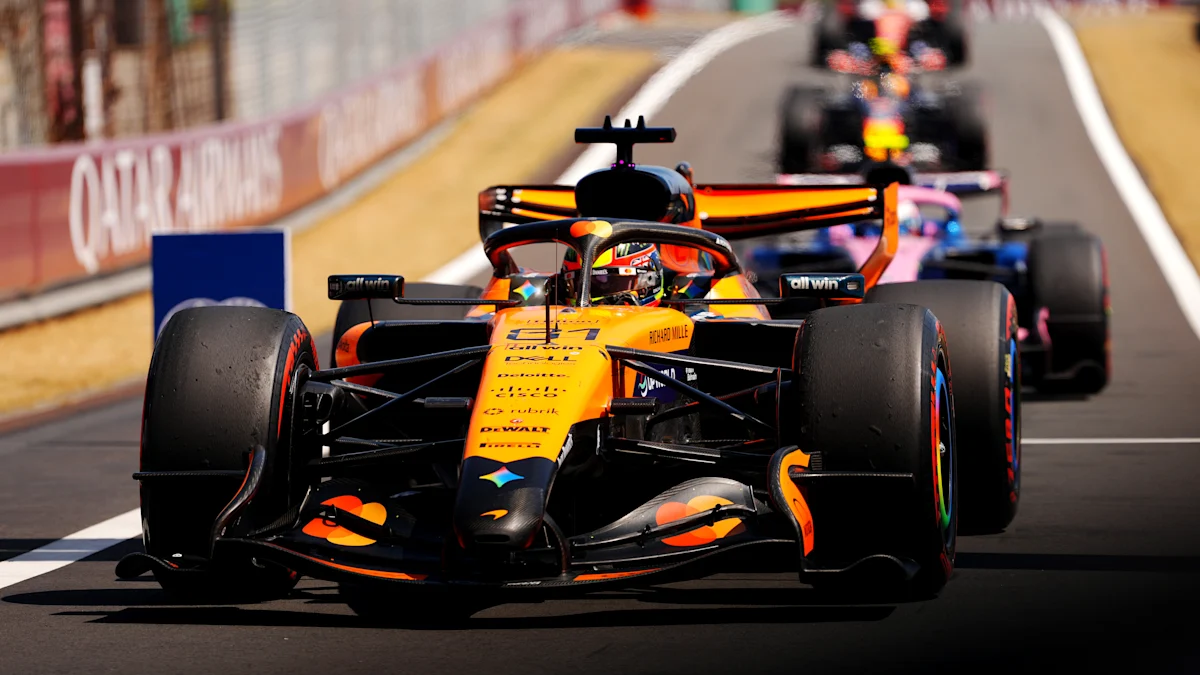
The sport that spent years cramming 24 races into a calendar like an overzealous Tetris player has suddenly discovered the art of subtraction. Formula 1 confirmed yesterday that both the Bahrain and Saudi Arabian Grands Prix are off the 2026 calendar due to ongoing Middle East conflicts, leaving us with 22 races and a five-week gap that makes the summer break look like a quick pit stop.
Yes, you read that correctly. The same Formula 1 that turned the calendar into a globe-trotting endurance test for mechanics and journalists alike has now gifted us an entire month of April with absolutely nothing happening. It’s like watching Liberty Media accidentally hit the “delete” button on their spreadsheet and just shrugging it off.
The Great April Void
Let’s talk numbers, because they’re genuinely absurd. We go from the Japanese Grand Prix on March 29th straight to Miami on May 3rd — a 35-day gap that’s longer than some drivers’ entire junior careers. That’s five full weekends of no racing, which in modern F1 terms is practically a geological epoch.
For context, this gap is longer than the traditional summer break, which at least had the courtesy to happen when half of Europe disappears on holiday anyway. April, meanwhile, is prime racing season — decent weather, no major holidays, and the perfect time to build momentum after the opening flyaway races.
The logistics alone must be giving team principals nightmares. Do you keep the entire traveling circus on standby for five weeks? Send everyone home and reassemble in Miami like some sort of F1 flash mob? The carbon footprint calculations are probably making the FIA’s sustainability department reach for the smelling salts.
'So we just... don't race for five weeks? Are we sure this is right?'
— Every team principal, probably
When Calendar Tetris Goes Wrong
This situation perfectly encapsulates F1’s schizophrenic approach to calendar management. For years, we’ve been told that 24 races was the absolute minimum required to satisfy the sport’s global ambitions and financial obligations. Suddenly, we’re down to 22 and apparently the world hasn’t ended.
The decision not to replace these races with alternatives speaks volumes about the current state of F1’s expansion strategy. Remember when we were told every market was crucial, every weekend sacred to the championship’s integrity? Now we’re casually dropping two races like they’re practice sessions in the wet.
What makes this particularly rich is that F1 has been rejecting perfectly good racing venues for years, claiming the calendar was full. Hockenheim, Nürburgring, and other traditional circuits have been told there’s no room at the inn, while the sport prioritised newer, more financially lucrative venues. Now we have five empty weekends and apparently no Plan B.
Max’s Energy Crisis
Adding insult to injury, Max Verstappen chose this moment to voice his frustration with the 2026 regulations and their increased emphasis on energy management. Because nothing says “perfect timing” like the four-time champion questioning the technical direction of the sport while the present is literally falling apart around the calendar.
Verstappen’s concerns about energy deployment aren’t unfounded — the 2026 power units demand significantly more electrical energy harvesting and deployment, fundamentally altering the driving style required. The increased MGU-K output and the shift in power split between ICE and electrical systems means drivers are essentially managing a rolling physics experiment rather than racing. But raising these issues now feels like complaining about the interior design while the house is on fire.
'The calendar is what now? And we're still worried about battery deployment?'
— The collective F1 fanbase
The Verdict
Formula 1 has managed to achieve something genuinely impressive: making a 22-race calendar feel simultaneously too long and completely inadequate. We’ve gone from complaints about calendar bloat to having a month-long gap that would make even MotoGP blush.
The real tragedy here isn’t just the lost races — it’s the complete lack of contingency planning. A sport that prides itself on precision and preparation has been caught completely flat-footed by world events, leaving fans with a calendar that looks like it was assembled by throwing darts at a map.
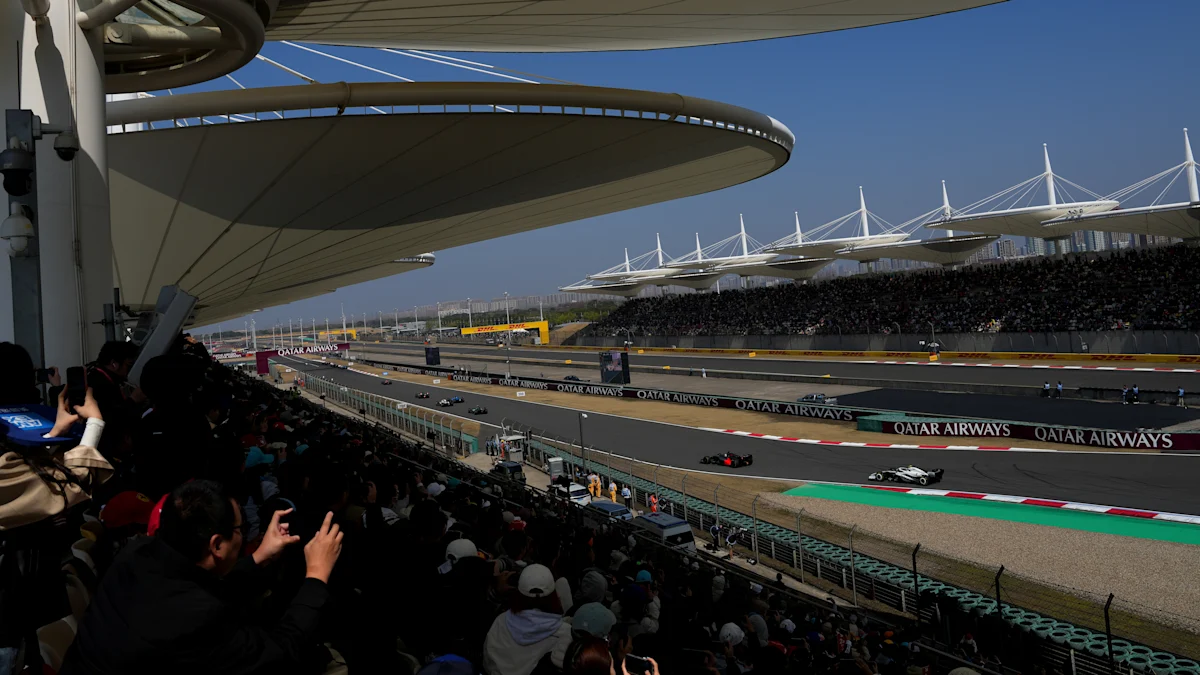
At least George Russell won the China Sprint ahead of Leclerc and Hamilton, giving us something to actually celebrate while the sport’s leadership figures out how to count to 24 again. Or in this case, how to count to 22 and make it look intentional.
The April void awaits. Time to dust off those old race DVDs.